
hole’s essentials of human anatomy and physiology pdf
Holes Human Anatomy & Physiology: A Comprehensive Study Plan (Updated 03/09/2026)
Holes Essentials of Human Anatomy & Physiology, authored by David Shier, Jackie Butler, and Ricki Lewis, is available in various digital formats.
These include PDF, ePub, DOC, RTF, WORD, PPT, TXT, iBooks, Kindle, Rar, Zip, Mobipocket, Mobi, and even as an online audiobook.
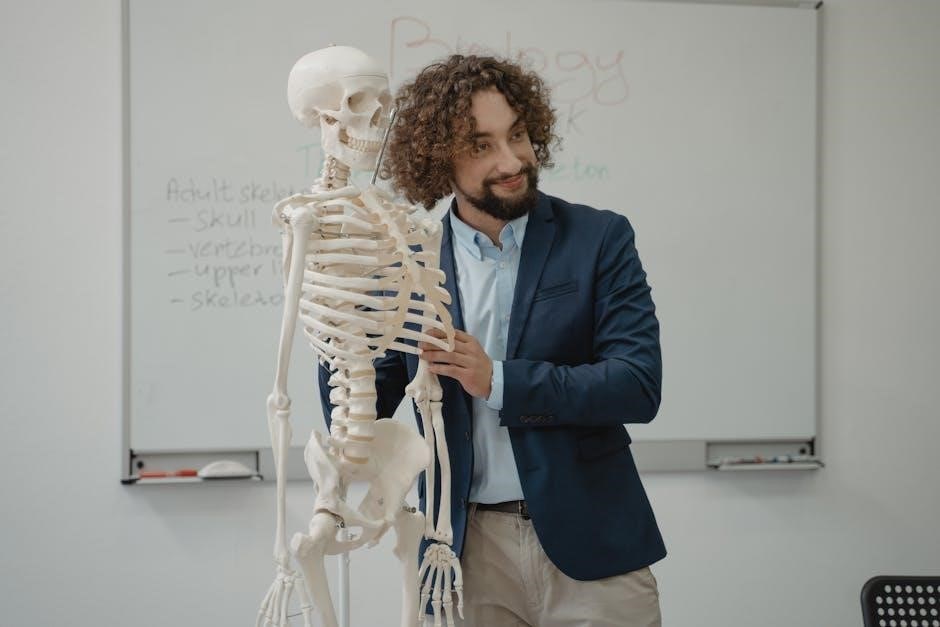
Resources offer online reviews and reading options, catering to diverse learning preferences for comprehensive anatomical and physiological study.
Holes Essentials of Human Anatomy & Physiology, a widely recognized textbook authored by David Shier, Jackie Butler, and Ricki Lewis, serves as a foundational resource for students embarking on their journey into the intricate world of the human body. This comprehensive text distinguishes itself through its clear, concise writing style and its commitment to presenting complex concepts in an accessible manner.
The textbook’s availability in multiple formats – including the popular PDF version – enhances its accessibility, allowing students to study effectively across various devices and platforms. Beyond the standard textbook format, students can access the material as an ePub, DOC, RTF, WORD, PPT, TXT, and through iBooks, Kindle, Rar, Zip, Mobipocket, and Mobi formats.
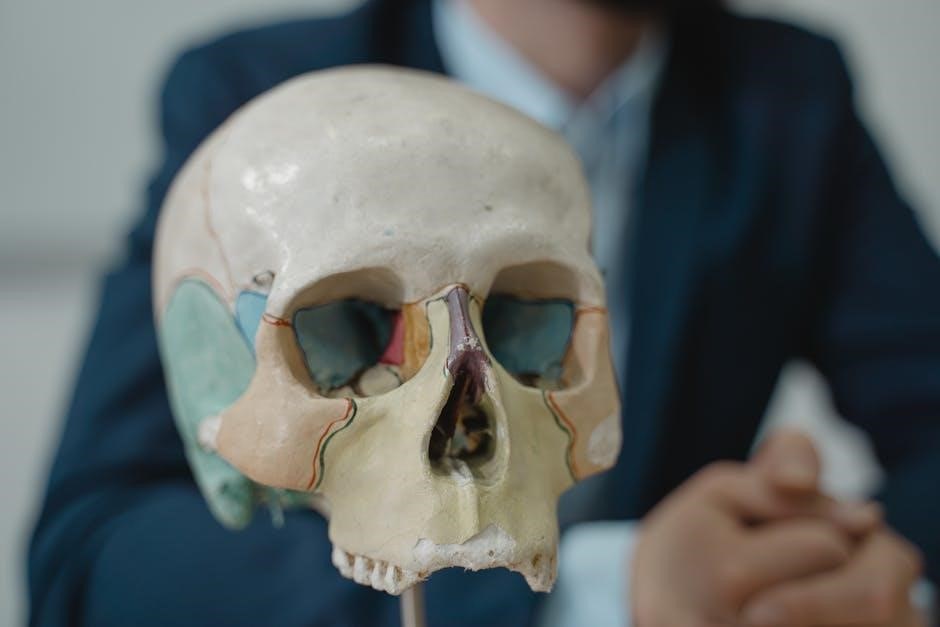
Furthermore, the existence of online audiobooks, reviews, and reading options demonstrates a commitment to catering to diverse learning styles. This adaptability ensures that students can engage with the material in a way that best suits their individual needs. The book’s enduring popularity stems from its ability to bridge the gap between complex scientific principles and practical understanding, making it an invaluable tool for aspiring healthcare professionals and anyone seeking a deeper appreciation for the marvels of human biology.
II. The Cellular Level of Organization
Accessing Holes Essentials of Human Anatomy & Physiology in digital formats, such as the readily available PDF, streamlines the study of fundamental biological organization, beginning with the cellular level. This foundational level is meticulously covered by Shier, Butler, and Lewis, emphasizing the cell as the basic structural and functional unit of the body.
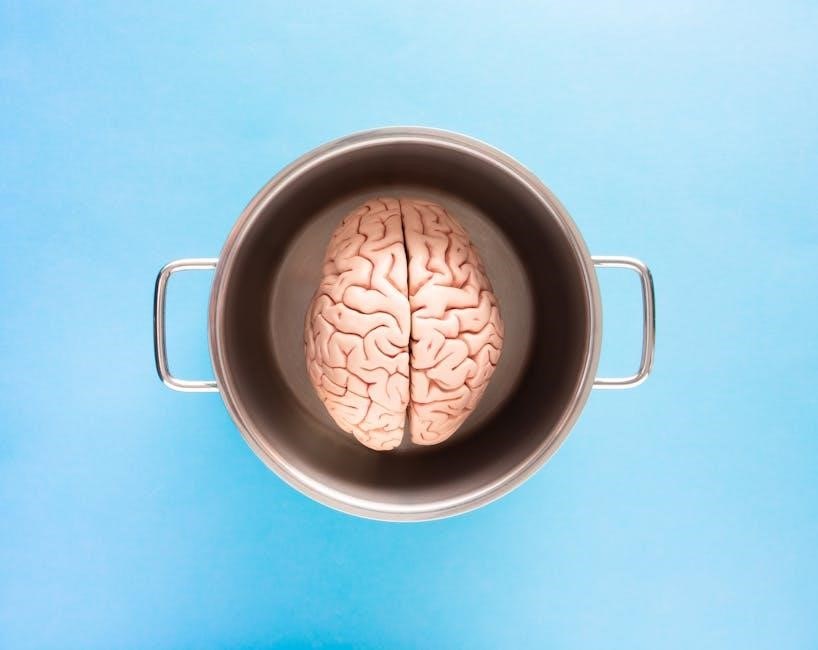
The textbook details cellular structures – organelles, membranes, and cytoplasm – and their specific roles in maintaining life. Students benefit from the text’s clarity when exploring complex processes like protein synthesis, cellular respiration, and cell division. The digital accessibility, encompassing ePub, DOC, RTF, WORD, PPT, TXT, iBooks, Kindle, Rar, Zip, Mobipocket, and Mobi formats, allows for convenient review and reinforces understanding.
Online resources, including audiobooks and reviews, complement the core text, offering alternative learning pathways. Understanding the cellular level, as presented in Holes, is crucial for comprehending how tissues, organs, and systems function collectively. The book’s comprehensive approach ensures a solid foundation for advanced anatomical and physiological studies.
III. Basic Cell Biology & Function
Holes Essentials of Human Anatomy & Physiology, available in convenient digital formats like PDF, ePub, and Kindle, provides a detailed exploration of basic cell biology. Authors Shier, Butler, and Lewis meticulously dissect cellular components, including the nucleus, ribosomes, mitochondria, and endoplasmic reticulum, explaining their individual functions and synergistic interactions.
The text emphasizes the plasma membrane’s crucial role in maintaining cellular homeostasis, detailing its structure and selective permeability. Students gain insight into vital cellular processes such as diffusion, osmosis, and active transport, all explained with clarity and supported by illustrative diagrams. Access to formats like DOC, RTF, WORD, and TXT facilitates note-taking and focused study.

Furthermore, the book covers cell cycle regulation, growth, and reproduction, laying the groundwork for understanding tissue development and repair. Online resources, including audiobooks and reviews, enhance comprehension. Mastering these basic principles, as presented in Holes, is fundamental to grasping more complex physiological concepts. The availability in multiple formats ensures adaptable learning.
IV. Membrane Transport Mechanisms
Holes Essentials of Human Anatomy & Physiology, readily accessible in digital formats such as PDF, ePub, and Mobi, dedicates significant attention to membrane transport mechanisms. Authors Shier, Butler, and Lewis comprehensively explain passive transport processes – diffusion, osmosis, and facilitated diffusion – detailing how substances move across cell membranes without energy expenditure.
The text then delves into active transport, outlining primary and secondary active transport mechanisms and their roles in maintaining cellular gradients. Vesicular transport, including endocytosis and exocytosis, is also thoroughly covered, illustrating how cells import and export larger molecules. Formats like DOC, RTF, and WORD allow for detailed note-taking during study.
Holes emphasizes the importance of these mechanisms in maintaining cellular homeostasis and facilitating essential physiological functions. Online resources, including audiobooks and reviews, supplement the learning experience. Understanding these transport processes, as presented in the book, is crucial for comprehending how cells interact with their environment and maintain life. The variety of available formats caters to diverse learning styles.
V. Tissues: The Fabric of the Body
Holes Essentials of Human Anatomy & Physiology, available in multiple digital formats including PDF, Kindle, and iBooks, provides a detailed exploration of the four primary tissue types. Authors Shier, Butler, and Lewis meticulously describe epithelial tissue, connective tissue, muscle tissue, and nervous tissue, emphasizing their unique structures and functions.
The text explains how these tissues combine to form organs, highlighting the importance of tissue organization in maintaining bodily functions. Digital versions like ePub and DOC facilitate easy access and study. Holes emphasizes the classification of each tissue type, detailing subtypes and their specific roles within the body.
The book also explores the concept of tissue repair and the processes involved in wound healing. Online resources and reviews complement the material, offering additional insights. Understanding tissue structure and function, as presented in Holes, is fundamental to comprehending the complexities of human anatomy and physiology. Formats like Zip and Rar offer convenient access to supplementary materials.
VI. Epithelial Tissue Types & Functions
Holes Essentials of Human Anatomy & Physiology, accessible in formats like PDF, Kindle, and online reviews, dedicates significant coverage to epithelial tissues. Authors Shier, Butler, and Lewis categorize these tissues based on both shape – squamous, cuboidal, and columnar – and layering – simple and stratified.
The text details the specific functions of each type, including protection, absorption, filtration, excretion, secretion, and sensory reception. Digital versions, such as ePub and DOC, allow for focused study of these distinctions. Holes explains how the structure of an epithelial tissue directly relates to its function within specific organs.
Specialized epithelial tissues, like pseudostratified columnar epithelium and transitional epithelium, are thoroughly examined. The book also discusses glandular epithelium and its role in hormone and enzyme production. Resources available in formats like Zip and Rar provide supplementary diagrams and illustrations. A strong grasp of epithelial tissue types, as presented in Holes, is crucial for understanding organ system physiology.
VII. Connective Tissue: Structure & Classification
Holes Essentials of Human Anatomy & Physiology, available in digital formats like PDF and Mobi, provides a detailed exploration of connective tissues. Authors Shier, Butler, and Lewis classify these tissues based on their matrix composition – fibrous, cartilaginous, and osseous – and cell types.
The text meticulously describes the different types of connective tissue proper, including loose connective tissue (areolar, adipose, reticular) and dense connective tissue (regular, irregular, elastic). Digital resources, such as Kindle and iBooks versions, offer interactive diagrams illustrating the structural differences. Holes emphasizes the functions of connective tissues: binding, support, protection, insulation, and transportation.
Specialized connective tissues like blood and lymph are also thoroughly covered. The book details the unique characteristics of cartilage – hyaline, elastic, and fibrocartilage – and bone tissue. Accessing Holes in formats like DOC or RTF facilitates focused study of these classifications. Understanding connective tissue structure and classification, as presented in Holes, is fundamental to comprehending the body’s support systems.
VIII. The Integumentary System
Holes Essentials of Human Anatomy & Physiology, readily available as a PDF or through platforms like Kindle, dedicates significant coverage to the integumentary system – the skin and its accessory structures. Authors Shier, Butler, and Lewis detail the skin’s crucial role in protection, temperature regulation, sensation, and vitamin D synthesis.
The text comprehensively examines the epidermis and dermis, outlining their distinct layers and cellular components. Digital formats, including ePub and iBooks, enhance learning with detailed illustrations of skin structure. Holes meticulously explains the functions of melanocytes, keratinocytes, and other epidermal cells. The book also explores the dermis’s role in providing strength and elasticity.
Accessory structures – hair, nails, and glands (sebaceous and sweat) – are thoroughly discussed, with formats like DOC and WORD allowing for focused note-taking. Holes emphasizes the interplay between these structures and overall skin health. Studying the integumentary system through Holes provides a foundational understanding of the body’s external barrier and its vital physiological functions.
IX. Skin Structure & Layers (Epidermis, Dermis, Hypodermis)
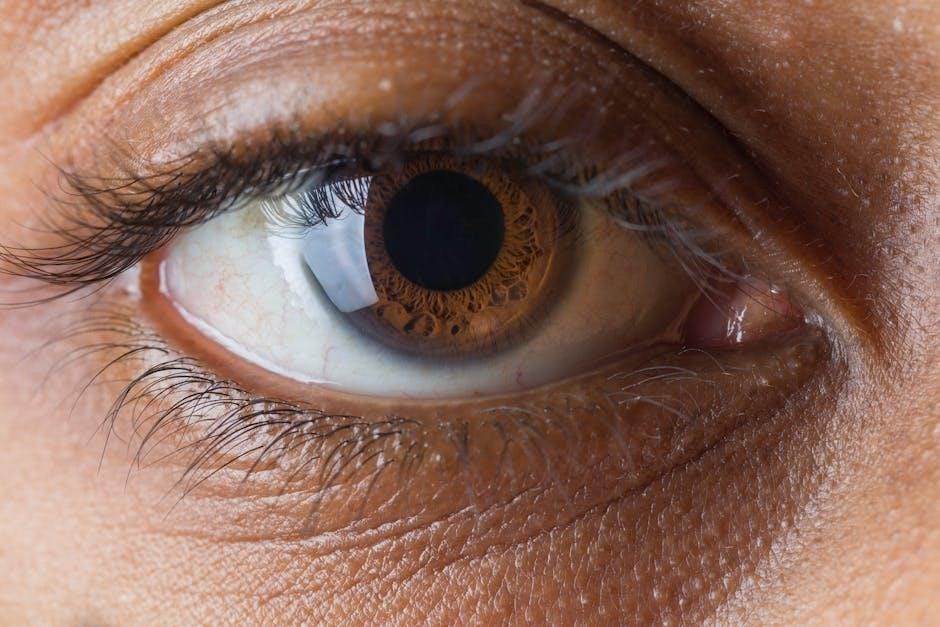
Holes Essentials of Human Anatomy & Physiology, accessible in PDF and digital book formats, provides a detailed exploration of skin layers. The epidermis, the outermost layer, is described as stratified squamous epithelium, with Holes meticulously outlining its five distinct strata – basale, spinosum, granulosum, lucidum, and corneum.
The text, available in ePub and Kindle versions, explains keratinization and the epidermal ridges that contribute to fingerprints. The dermis, the deeper layer, is presented as composed of papillary and reticular layers, rich in collagen and elastin. Holes clarifies the roles of fibroblasts, blood vessels, and nerves within the dermis.
Finally, the hypodermis, or subcutaneous layer, is detailed as providing insulation and cushioning. Digital formats like iBooks and DOC facilitate focused study of these layers. Holes emphasizes the interconnectedness of these layers and their collective contribution to skin function, offering a comprehensive understanding of integumentary anatomy.
X. Accessory Structures of the Skin (Hair, Nails, Glands)

Holes Essentials of Human Anatomy & Physiology, readily available as a PDF and in various digital formats, dedicates significant attention to skin accessory structures. The text details hair follicles, describing their structure and the hair growth cycle, accessible through ePub and Kindle editions.
Nails are thoroughly explained, with Holes outlining the nail matrix, nail bed, and nail plate, emphasizing their composition of hardened keratin. The book, available in formats like DOC and RTF, meticulously covers the different types of skin glands – sebaceous and sudoriferous (sweat) glands.
Holes clarifies the functions of sebum in lubrication and sweat in thermoregulation. Digital resources, including iBooks and online versions, highlight the role of these glands in maintaining skin health. The text emphasizes the interplay between these structures and their contribution to overall skin function, offering a comprehensive understanding for students.
XI. Skeletal System: Support & Movement
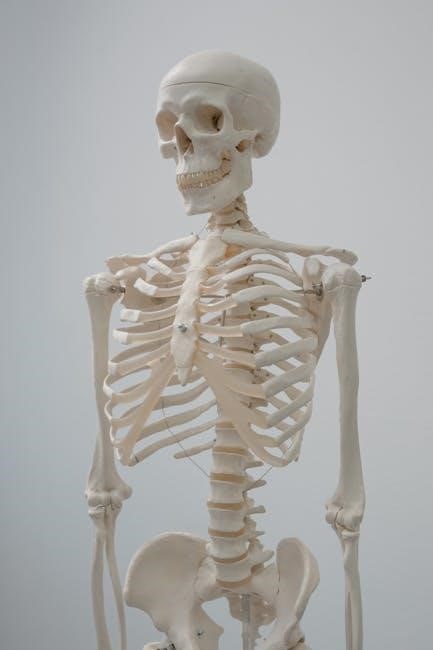
Holes Essentials of Human Anatomy & Physiology, obtainable as a PDF alongside other digital formats like ePub and Kindle, provides a detailed exploration of the skeletal system. The text comprehensively covers its crucial roles in support, movement, protection, storage, and blood cell formation.
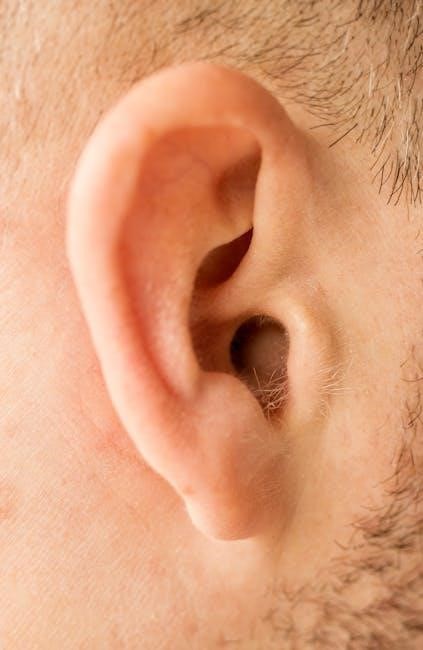
Holes meticulously describes bone tissue, including compact and spongy bone, and elucidates the processes of bone formation – osteogenesis and remodeling. Students can access this information through DOC, RTF, and WORD formats. The book clearly delineates the skeletal divisions: the axial skeleton (skull, vertebral column, rib cage) and the appendicular skeleton (limbs and girdles).
Digital resources, including iBooks and online versions, offer visual aids and interactive elements to enhance understanding. Holes emphasizes the articulation of bones at joints, enabling movement, and the importance of ligaments and tendons in skeletal stability. This section provides a foundational understanding of the musculoskeletal system.
XII. Bone Tissue & Formation
Holes Essentials of Human Anatomy & Physiology, readily available in PDF, ePub, and other digital formats, dedicates significant attention to bone tissue and its formation. The text details the microscopic structure of bone, differentiating between compact and spongy bone, and explaining the roles of osteocytes, osteoblasts, and osteoclasts.
Holes thoroughly explains osteogenesis, the process of bone formation, outlining intramembranous and endochondral ossification. It also covers bone remodeling, a continuous process involving bone resorption and deposition, crucial for maintaining skeletal integrity. Students can access these details through formats like DOC, RTF, and WORD.

The book elucidates the composition of the bone matrix, including collagen fibers and mineral salts, and their contribution to bone strength and flexibility. Digital versions, including Kindle and iBooks, often feature illustrative diagrams. Holes also explores factors influencing bone growth and repair, such as hormones and nutrition, providing a comprehensive understanding of skeletal development.
XIII. Skeletal Divisions (Axial & Appendicular)
Holes Essentials of Human Anatomy & Physiology, accessible in various digital formats like PDF, ePub, and Mobi, provides a detailed exploration of the skeletal system’s divisions: axial and appendicular. The axial skeleton, comprising the skull, vertebral column, and rib cage, is thoroughly described, emphasizing its role in protecting vital organs and providing central support.
Holes meticulously outlines the bones comprising each component of the axial skeleton, detailing their specific features and articulations. The appendicular skeleton, including the limbs and their girdles, is equally well-covered, with attention given to bone shapes and their functional adaptations. Students can easily navigate these details using formats like DOC and TXT.
The text clarifies the structural differences and functional relationships between these two divisions, highlighting how they work together to facilitate movement and maintain posture. Digital resources, such as Kindle and online versions, often include labeled diagrams. Holes also discusses clinical correlations, linking skeletal anatomy to common injuries and diseases.
XIV. Muscular System: Types & Functions
Holes Essentials of Human Anatomy & Physiology, available in formats like PDF, ePub, and online versions, comprehensively details the muscular system. It meticulously categorizes muscle tissue into three primary types: skeletal, smooth, and cardiac, each explained with clarity. The text, accessible through formats like Kindle and iBooks, emphasizes the unique structural and functional characteristics of each type.
Holes thoroughly describes skeletal muscle’s role in voluntary movement, smooth muscle’s function in involuntary processes within internal organs, and cardiac muscle’s specialized role in heart contractions. Detailed explanations of muscle fiber arrangements and their impact on strength and range of motion are provided, easily referenced in DOC or TXT formats.
The book explores the broader functions of the muscular system, including maintaining posture, generating heat, and facilitating various bodily processes. Clinical connections, linking muscular dysfunction to specific diseases and injuries, are also included. Students benefit from the detailed illustrations often found in digital resources like PPT and online reviews.
XV. Skeletal Muscle Contraction & Physiology
Holes Essentials of Human Anatomy & Physiology, readily available in PDF, ePub, and digital audiobook formats, provides a detailed exploration of skeletal muscle contraction. The text meticulously breaks down the sliding filament theory, explaining the roles of actin, myosin, and calcium ions in the contraction process. Resources like Kindle and online reviews offer supplementary visuals to aid understanding.
Holes clarifies the neuromuscular junction, detailing how nerve impulses trigger muscle fiber activation. It explains the sequence of events – from action potential propagation to cross-bridge cycling – with precision, easily accessible in formats like DOC and RTF. The book also covers different types of muscle contractions: isotonic, isometric, and isokinetic, providing clear distinctions.
Furthermore, the physiology of muscle fatigue, energy sources for muscle activity (ATP production), and the impact of exercise on muscle performance are thoroughly discussed. Students can utilize the information presented in formats like PPT and Mobipocket for effective study and review, enhancing their grasp of this complex physiological process.
XVI. Smooth & Cardiac Muscle Characteristics
Holes Essentials of Human Anatomy & Physiology, accessible in various digital formats including PDF, ePub, and online audiobook, offers a comparative analysis of smooth and cardiac muscle tissues. The text highlights key distinctions from skeletal muscle, focusing on involuntary control, microscopic structure, and functional properties. Resources like Kindle editions and online reviews provide supplementary learning tools.
Holes details the unique characteristics of smooth muscle – its lack of striations, slower contraction speed, and ability to sustain prolonged contractions – crucial for functions like peristalsis and vasoconstriction. Formats like DOC and RTF allow for detailed note-taking. Cardiac muscle’s intercalated discs, enabling rapid and coordinated contractions, are also thoroughly explained.
The book explores the intrinsic rhythmicity of cardiac muscle and the influence of the autonomic nervous system on heart rate and contractility. Students can leverage digital versions like PPT and Mobipocket for efficient study, gaining a comprehensive understanding of these vital muscle types and their roles in maintaining homeostasis.
XVII. Nervous System: Control & Communication
Holes Essentials of Human Anatomy & Physiology, available in formats like PDF, ePub, and Kindle, provides a detailed exploration of the nervous system’s role in controlling and coordinating bodily functions. The text emphasizes the system’s division into central and peripheral components, detailing their interconnectedness. Online resources and reviews supplement the learning experience.
Holes meticulously explains the functional units – neurons – and their specialized structures enabling rapid signal transmission. The book covers action potentials, synaptic transmission, and the influence of neurotransmitters. Digital versions, such as DOC and WORD, facilitate in-depth study and note-taking.
Furthermore, the text delves into the organization of the brain and spinal cord, outlining the functions of different regions. Students can utilize formats like TXT and RTF to efficiently review key concepts. The book’s comprehensive approach, accessible through various digital platforms including iBooks and online audiobooks, ensures a thorough understanding of this complex system.
XVIII. Neuron Structure & Signal Transmission
Holes Essentials of Human Anatomy & Physiology, readily available in PDF, ePub, and Kindle formats, offers a detailed examination of neuron structure and the mechanisms of signal transmission. The text meticulously breaks down the components of a neuron – dendrites, cell body, axon, and synapses – illustrating their roles in communication.
Holes explains the process of action potential generation and propagation, emphasizing the role of ion channels and membrane potentials. Digital versions, like DOC and WORD, allow for focused study of these complex processes. The book clarifies how signals are transmitted across synapses, detailing the involvement of neurotransmitters and receptors.
Resources such as online reviews and readily accessible formats like TXT and RTF enhance comprehension. The text also explores factors influencing signal strength and speed. Utilizing platforms like iBooks and online audiobooks, students can gain a comprehensive understanding of neuronal communication, crucial for grasping nervous system function.
XIX. Brain Regions & Functions
Holes Essentials of Human Anatomy & Physiology, conveniently accessible in PDF, ePub, and Kindle formats, provides a thorough exploration of brain regions and their specialized functions. The text systematically covers the cerebrum, cerebellum, and brainstem, detailing the roles of each lobe within the cerebrum – frontal, parietal, temporal, and occipital.
Holes elucidates the functions associated with specific areas, such as motor control, sensory perception, memory formation, and language processing. Digital versions, including DOC and WORD, facilitate focused study of these intricate connections. The book also examines the limbic system, highlighting its involvement in emotions and motivation.
Supplementary resources like online reviews and accessible formats like TXT and RTF bolster understanding. The text further explores the functions of the brainstem in regulating vital functions like breathing and heart rate. Utilizing platforms like iBooks and online audiobooks, students can achieve a comprehensive grasp of brain organization and functionality.
XX. Cardiovascular System: Transport & Circulation
Holes Essentials of Human Anatomy & Physiology, readily available in digital formats like PDF, ePub, and Kindle, delivers a detailed examination of the cardiovascular system’s crucial role in transport and circulation. The text meticulously outlines the structure and function of the heart, including its chambers, valves, and conduction system.
Holes comprehensively covers blood vessel types – arteries, veins, and capillaries – and their respective roles in delivering oxygen and nutrients while removing waste products. Digital versions, such as DOC and WORD, allow for focused study of blood flow dynamics and regulatory mechanisms. The book details systemic and pulmonary circulation pathways.
Resources like online reviews and accessible formats like TXT and RTF enhance comprehension. Furthermore, the text explores blood composition, blood pressure regulation, and the lymphatic system’s contribution to fluid balance. Utilizing platforms like iBooks and online audiobooks, students can gain a thorough understanding of cardiovascular physiology.