
sea duck hunting guides
Sea Duck Hunting Guides: A Comprehensive Overview (Updated 03/16/2026)
Today, March 16, 2026, experienced guides offer trophy-oriented hunts, prioritizing quality birds for both harvest and table fare. A five-bird daily limit supplements other waterfowl limits,
making sea duck hunting a rewarding experience.
Understanding Sea Duck Hunting
Sea duck hunting represents a unique and challenging facet of waterfowling, distinct from inland duck hunts. It typically occurs in the often-turbulent waters of the Atlantic and Pacific coasts, demanding specialized skills, equipment, and a deep understanding of these birds’ behaviors. Unlike their freshwater counterparts, sea ducks are adapted to a marine environment, exhibiting different flight patterns, feeding habits, and responses to hunting pressure.
Successful sea duck hunting relies heavily on the expertise of seasoned guides. These professionals possess intimate knowledge of local sea duck populations, migration routes, and preferred feeding areas. They understand how duck behavior shifts throughout the season, adapting hunting methods accordingly. Guides also navigate challenging weather conditions and sea states, ensuring hunter safety and maximizing opportunities.
The appeal lies in the adventure and the pursuit of magnificent birds in a rugged, coastal setting. Many consider a New England sea duck hunt a “bucket list” experience, and choosing a reputable guide is paramount to a fulfilling and ethical hunt. The cost reflects the specialized nature of the hunt, often ranging around $4,000 for a five-day excursion, acknowledging the logistical complexities and expertise involved.
What Defines a Sea Duck?
Sea ducks are a group of waterfowl specifically adapted for life in marine environments. Unlike many dabbling and diving ducks found inland, these species exhibit physiological and behavioral traits enabling them to thrive in saltwater habitats. Key characteristics include denser plumage for insulation against cold ocean temperatures, salt glands to excrete excess salt intake, and webbed feet optimized for swimming in rough seas.
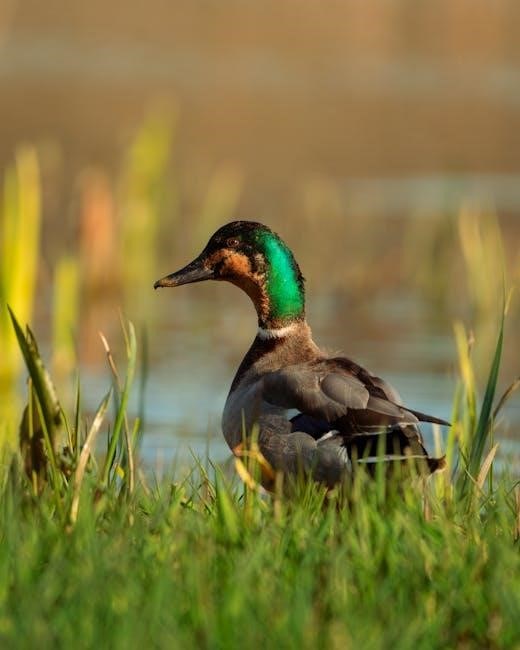
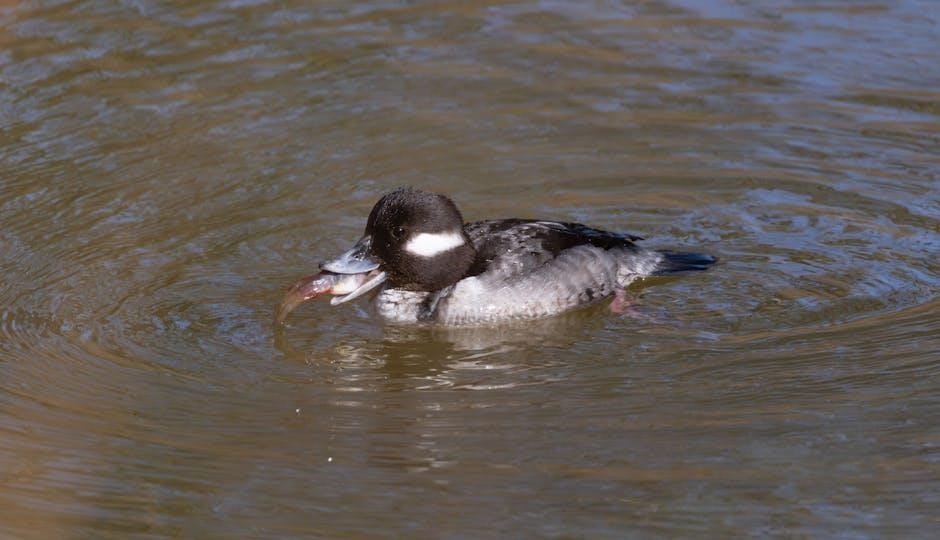
Common sea duck species targeted by hunters include Scoters (Black, Surf, and White-winged), Eiders (Common and King), Harlequin Ducks, and Long-tailed Ducks. These birds often congregate in large rafts offshore, foraging on shellfish, crustaceans, and other marine invertebrates. Their diving abilities are exceptional, allowing them to access food sources unavailable to surface-feeding ducks.
Guides specializing in sea duck hunts understand these unique characteristics. They know where to find these birds based on their feeding preferences and migration patterns. Successfully hunting sea ducks requires adapting to their diving behavior and the challenging conditions of the open ocean, making the guide’s expertise invaluable for a productive and safe experience.
Popular Sea Duck Species for Hunting
Several sea duck species consistently draw hunters seeking challenging and rewarding experiences. Scoters – Black, Surf, and White-winged – are frequently encountered in large flocks, offering opportunities for volume shooting. Eiders, particularly Common Eiders, are prized for their down, providing an additional incentive for hunters. However, Harlequin Ducks represent a highly sought-after trophy, often subject to strict regulations due to population concerns.
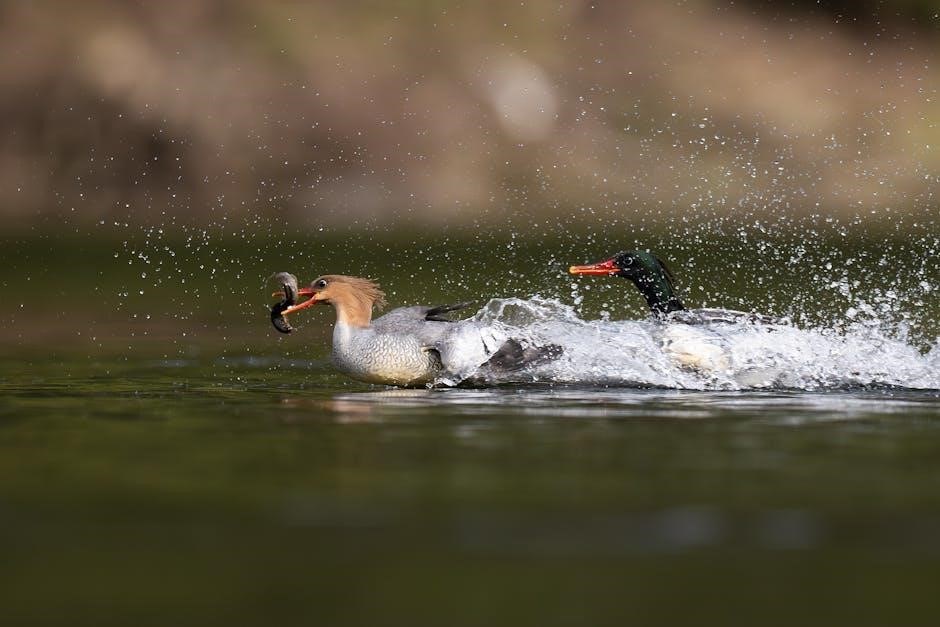
Long-tailed Ducks, known for their acrobatic flight and deep diving, present a unique hunting challenge. Mergansers, while also found in freshwater, often participate in coastal sea duck concentrations. Experienced guides possess intimate knowledge of each species’ behavior, preferred habitats, and seasonal movements.
Guides will tailor hunting strategies based on the target species. For example, Harlequin Duck hunts often involve specialized permit systems and careful adherence to harvest limits. Understanding these nuances is crucial for both ethical hunting and maximizing success, making a knowledgeable guide essential for any sea duck pursuit.
The Appeal of Sea Duck Hunting
Sea duck hunting represents a unique and demanding facet of waterfowling, attracting seasoned hunters seeking a thrilling challenge. Unlike inland duck hunts, sea duck pursuits often involve navigating rough ocean waters and enduring harsh weather conditions, demanding specialized equipment and skills. This inherent difficulty elevates the sense of accomplishment upon a successful harvest.
For many, a New England sea duck hunt is a “bucket list” adventure, and choosing a reputable guide is paramount. The pursuit of trophy-quality birds, combined with the stunning coastal scenery, creates an unforgettable experience. The potential for substantial daily limits – currently five birds in addition to other waterfowl limits – adds to the appeal.
Experienced guides not only provide access to prime hunting locations but also ensure hunter safety and ethical practices. The cost, often ranging around $4,000 for a five-day hunt, reflects the logistical complexity and specialized expertise required. Ultimately, sea duck hunting offers a rewarding blend of adventure, challenge, and the opportunity to harvest exceptional waterfowl.
Regulations and Licensing
Current regulations include a five-bird daily limit, alongside other waterfowl allowances. Harlequin duck hunts utilize a limited entry permit system, ensuring sustainable harvest rates below three percent.
Current Hunting Limits (as of 03/16/2026)
As of today, March 16, 2026, sea duck hunting regulations are designed to balance hunter opportunity with responsible resource management. The overarching daily limit for sea ducks currently stands at five birds. This limit is in addition to any other applicable daily limits for different waterfowl species, providing hunters with a flexible and potentially productive day on the water.
It’s crucial to understand that this five-bird limit isn’t a blanket allowance across all sea duck species. Specific regulations, particularly concerning harlequin ducks, are more restrictive due to historical population concerns. The implementation of a limited entry permit system for harlequin ducks demonstrates a proactive approach to conservation.
Guides play a vital role in ensuring hunters are fully aware of and compliant with these evolving regulations. They stay abreast of changes issued by state and federal wildlife agencies, providing clients with up-to-date information. A successful and ethical hunt hinges on understanding and respecting these limits, contributing to the long-term health of sea duck populations. Remember to always consult official hunting regulations before heading out.
Harlequin Duck Hunting Regulations & Permit Systems
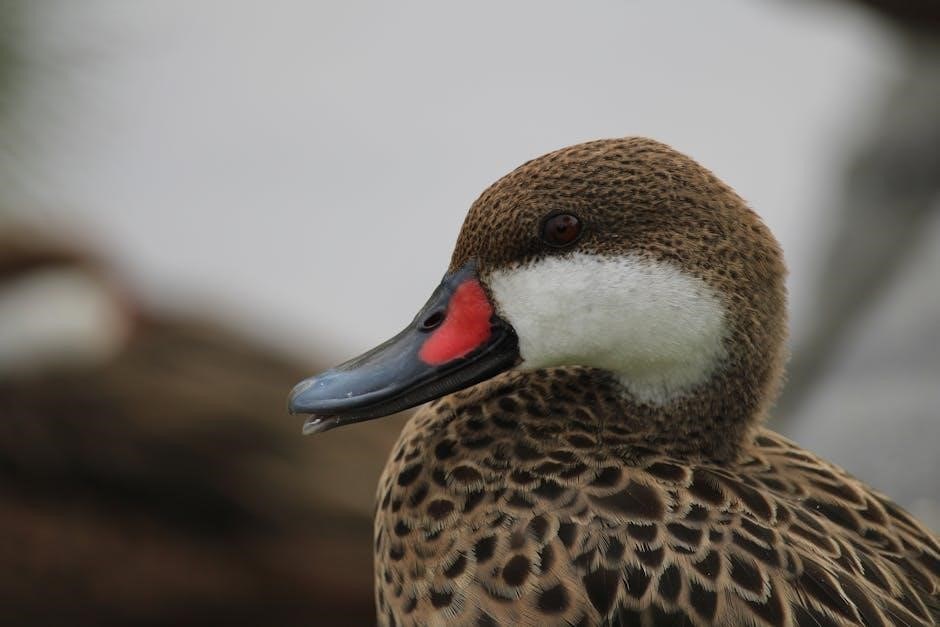
Harlequin duck hunting is subject to particularly stringent regulations, reflecting past concerns regarding the species’ population status. Hunting was not authorized in the 2022-2023 and 2023-2024 seasons not due to population decline, but because of the inability to effectively manage harvest rates.
Currently, a limited entry permit system is in place. This system allows wildlife departments to meticulously control the number of hunters targeting harlequin ducks, ensuring the annual harvest remains below a three percent threshold. Previously, maintaining a five percent threshold proved unmanageable without severely restricting hunter access.
Securing a harlequin duck permit often involves an application process, potentially including a lottery system. Guides specializing in sea duck hunts are invaluable in navigating these complexities, assisting clients with applications and ensuring compliance. They understand the specific requirements and deadlines associated with the permit process. Ethical guides prioritize sustainable hunting practices and will readily advise against pursuing harlequin ducks if a permit isn’t secured legally.
State-Specific Licensing Requirements
Navigating state-specific licensing for sea duck hunting can be complex, varying significantly depending on the location. Generally, a standard state hunting license is the foundational requirement, but sea duck hunting often necessitates additional endorsements or permits. These can include waterfowl stamps, migratory bird permits, and potentially, specific sea duck permits beyond harlequin duck regulations.
For example, Massachusetts, a popular destination for New England sea duck hunts, will have its own unique set of requirements. Similarly, states bordering the Chincoteague area will have distinct regulations. It’s crucial to research the specific rules of the state where you intend to hunt before your trip.
Experienced sea duck hunting guides are adept at understanding these nuances. They can provide clients with detailed information regarding necessary licenses, application procedures, and associated costs. Utilizing a reputable guide service simplifies the process, ensuring full compliance with all legal requirements and avoiding potential fines or penalties. Always verify current regulations as they are subject to change;
Planning Your Sea Duck Hunt
Successful hunts demand careful planning, including selecting a guide, understanding costs (potentially $4,000+ for a 5-day Alaska trip), and recognizing seasonal duck behavior shifts.
Choosing the Right Guide Service
Selecting a reputable sea duck hunting guide is paramount for a fulfilling and successful expedition. Given that sea duck hunting often represents a significant investment – potentially reaching several thousand dollars for a multi-day trip – due diligence is crucial. Prioritize services that demonstrate a commitment to trophy-quality birds, focusing on both harvest numbers and the birds’ suitability for consumption.
A seasoned guide will possess an intimate understanding of local sea duck concentrations and seasonal behavioral patterns. They should be adept at adapting hunting strategies as duck behavior evolves throughout the autumn season. Look for guides who utilize well-trained Labrador Retrievers, as these dogs are invaluable for retrieving birds in challenging sea conditions.
Furthermore, inquire about the guide’s experience with specific regulations, particularly concerning harlequin duck hunting, which often involves limited entry permit systems and strict harvest thresholds. A responsible guide will ensure full compliance with all applicable laws and prioritize sustainable hunting practices. Don’t hesitate to ask about their approach to hunter safety and their commitment to ethical hunting standards. Ultimately, the right guide will transform a potential expense into an unforgettable waterfowl adventure.
Cost Considerations for Sea Duck Hunts
Sea duck hunting consistently ranks among the more expensive waterfowl pursuits, demanding a realistic budget assessment. A typical 5-day hunt can easily range from $4,000, with the potential for significant additional expenses. These costs reflect the specialized nature of the hunt, including boat operation, fuel, and the expertise of experienced guides.
Several factors influence the overall price. Longer hunts, such as 6-day overnight expeditions, naturally command higher fees. Remote locations, like those offering long-range Alaskan adventures, also contribute to increased costs due to logistical complexities. The inclusion of amenities, such as lodging and meals, will further impact the final price.
It’s essential to clarify what is included in the quoted price. Does it cover licenses, permits, ammunition, or bird processing? Factor in travel expenses to and from the hunting location, as well as gratuities for the guide and support staff. While the investment is substantial, a well-planned and executed sea duck hunt delivers a unique and rewarding experience for dedicated waterfowlers.
Best Time of Year for Sea Duck Hunting
The optimal timing for a sea duck hunt hinges on understanding seasonal behavioral shifts in these birds. Duck behavior undergoes noticeable changes throughout the autumn hunting season, influencing hunting strategies and success rates. The initial phase of the season often finds ducks concentrated in specific areas, making them relatively predictable targets.
However, as the season progresses and weather conditions become more severe, ducks tend to disperse and become more challenging to locate. Experienced guides closely monitor these shifts, adjusting their tactics accordingly. The second half of the autumn season often requires more intensive scouting and a greater reliance on specialized equipment to pinpoint duck concentrations.
Generally, the fall duck hunting season provides the primary window for pursuing sea ducks. Successful hunts depend on adapting to the evolving conditions and leveraging the knowledge of seasoned guides who understand the nuances of duck movements throughout the season. Careful planning and flexibility are key to maximizing your chances of a rewarding hunt.
Hunting Techniques & Gear
Successful sea duck hunts demand adaptable techniques, responding to changing duck behavior. Essential gear includes specialized decoys, robust shotguns, and waterproof clothing for harsh conditions. Labrador retrievers are invaluable assets!
Duck Behavior Changes Throughout the Season
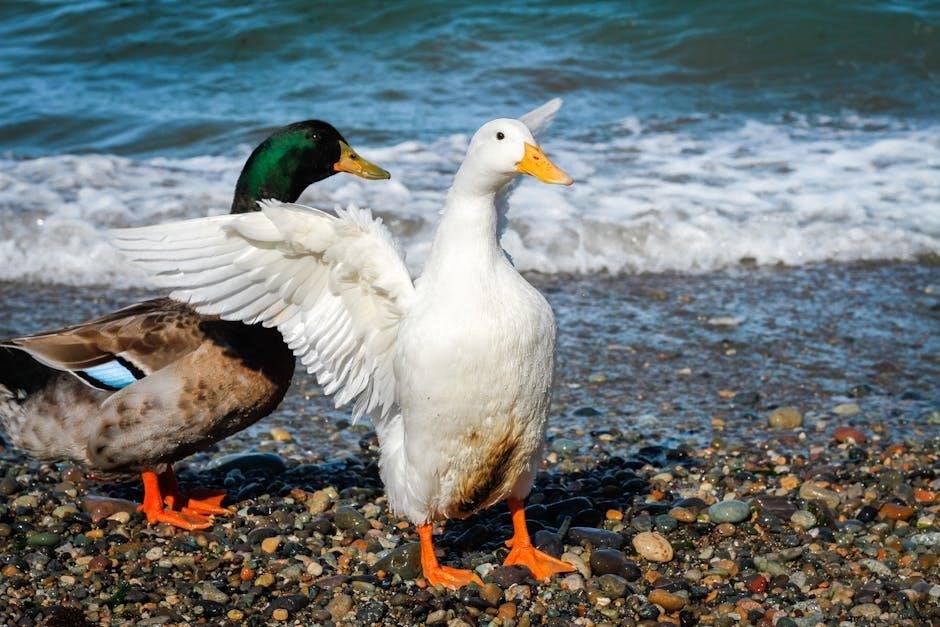
Early in the season, sea ducks often congregate in larger rafts, exhibiting more predictable movement patterns. They haven’t yet fully adjusted to hunting pressure, making them somewhat less wary. Guides capitalize on this by setting up larger spreads, mimicking the natural groupings they observe. As the season progresses, however, this dynamic shifts dramatically.
Mid-season brings increased hunting pressure, and sea ducks become significantly more cautious. They disperse into smaller flocks, seeking refuge in less accessible areas. Their flight patterns become erratic, and they respond quickly to any perceived threat. Successful hunters adapt by employing smaller, more realistic decoy setups and utilizing concealment to their advantage. Calling becomes more subtle, focusing on soft, natural sounds rather than aggressive quacks.
Late in the season, sea ducks are at their most challenging. They’ve learned to avoid traditional hunting spots and are often found in remote, difficult-to-reach locations. Guides must be incredibly adaptable, willing to change tactics on the fly and pursue birds relentlessly. This often involves longer runs, more scouting, and a greater reliance on boat maneuverability. Understanding these behavioral shifts is crucial for consistently bagging birds throughout the entire season.
Essential Gear for a Successful Sea Duck Hunt
A successful sea duck hunt demands specialized equipment built to withstand harsh conditions. High-quality waterproof and insulated clothing is paramount, including breathable waders, a durable jacket, and warm layers. Seasickness medication is often essential, given the choppy waters frequently encountered.
Decoys must be robust enough to handle wind and waves; heavier, anchor-backed decoys are preferred. A reliable shotgun, typically a 12-gauge, is crucial, along with ample ammunition – steel shot is often required. Binoculars with excellent clarity are vital for spotting distant birds.
Navigation tools, such as a GPS and marine chartplotter, are indispensable for safely navigating open water. A VHF radio ensures communication with other boats and emergency services. Finally, a skilled Labrador Retriever is arguably the most valuable piece of gear, capable of retrieving birds in cold, rough seas, completing the hunt effectively.
Role of Labrador Retrievers in Sea Duck Hunting
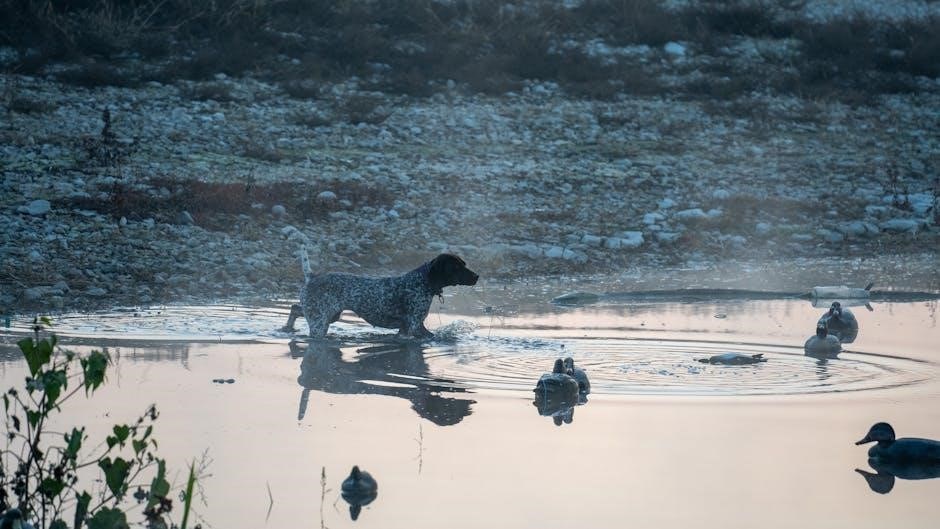
Labrador Retrievers are indispensable partners in any serious sea duck hunt, offering capabilities unmatched by other breeds. Their waterproof coats and powerful swimming abilities allow them to tirelessly retrieve birds from frigid, often turbulent, waters. Endurance is key; sea duck hunts frequently involve long retrieves in challenging conditions.
A well-trained Labrador will reliably mark fallen birds, even in limited visibility, and return them undamaged. Their soft mouths prevent crippling the retrieved game. Beyond retrieval, they provide valuable assistance by breaking ice and generally enhancing the hunting experience.
Experienced guides consistently emphasize the importance of a capable dog. As demonstrated at the Shatura Marshes with “Working Labrador Bolo”, these dogs aren’t merely companions; they are integral to a successful hunt, particularly when dealing with the demanding nature of sea duck recovery. Their contribution is invaluable, making them a cornerstone of many guide services.