
insulin lispro sliding scale pdf
Understanding Insulin Lispro Sliding Scale
Insulin lispro sliding scales, often found as hospital-specific protocols or online templates (as of 04/15/2026), adjust pre-meal doses based on blood glucose levels.
What is Insulin Lispro?
Insulin lispro is a rapid-acting insulin analog, introduced to the United States in 1996, offering a quicker onset compared to regular human insulin. This characteristic makes it particularly useful in managing post-meal glucose spikes, and is frequently utilized in sliding scale regimens.
Unlike traditional insulin, lispro’s altered amino acid sequence allows for faster absorption after injection. As of August 6, 2018, it was being used alongside insulin glargine and oral metformin to manage hyperglycemia, especially when patients face difficulties with medication administration, like swallowing large tablets.
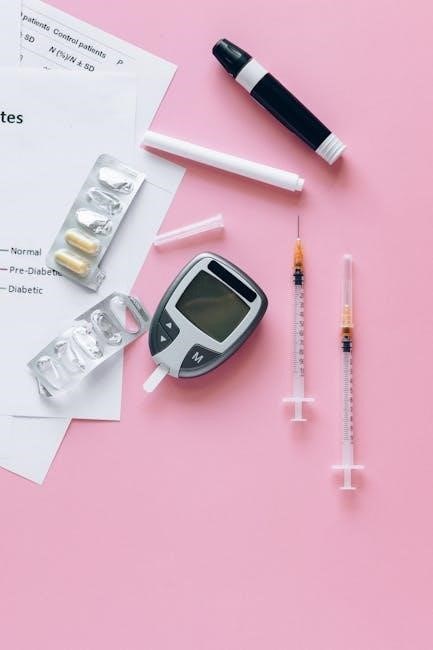
Its rapid action is key when employing a sliding scale, enabling more precise dose adjustments based on pre-meal blood glucose readings, aiming to maintain levels between 90-200 mg/dL, while avoiding hypoglycemia.
What is a Sliding Scale Insulin Regimen?
A sliding scale insulin regimen involves adjusting the pre-meal insulin dose based on the patient’s current blood glucose level. This approach increases insulin administration as blood sugar rises, and decreases it when levels are lower. It’s frequently implemented in hospital settings when oral agents are discontinued, as noted as early as 1996.
For example, a blood glucose between 140-180 mg/dL might warrant a 4-unit dose of short-acting insulin. The goal is to maintain glucose within a target range, typically 90-200 mg/dL, particularly in acute situations like Acute Coronary Syndrome (ACS).
However, it’s crucial to remember that sliding scales are often a temporary solution, requiring careful monitoring and eventual transition to a more comprehensive diabetes management plan.

How Insulin Lispro Sliding Scale Works
Insulin lispro, a rapid-acting analog, is administered before meals, with dosages determined by pre-meal blood glucose readings found in PDF protocols.
Blood Glucose Level Ranges and Insulin Doses
Sliding scale charts, often available as PDF documents from hospitals, define specific blood glucose ranges and corresponding insulin lispro doses. For instance, a level between 140-180 mg/dL might warrant 4 units, while higher ranges (e.g., 181-220 mg/dL) could require 6-8 units.
These PDF protocols typically detail increments, ensuring a tailored approach. Maintaining glucose between 90-200 mg/dL (5.0-11.0 mmol/L) is a common goal, particularly for patients with Acute Coronary Syndrome (ACS). However, the exact ranges and units vary based on individual patient needs and hospital guidelines, emphasizing the importance of referencing the specific PDF resource.
Careful adherence to these ranges, as outlined in the sliding scale PDF, is crucial to avoid both hyperglycemia and hypoglycemia.
Pre-Meal Blood Glucose Monitoring
Consistent pre-meal blood glucose monitoring is fundamental when utilizing an insulin lispro sliding scale, as detailed in hospital PDF protocols. Accurate readings dictate the appropriate insulin dose, ensuring effective glycemic control. These PDF resources emphasize checking glucose levels before each meal, not at fixed intervals.
Patients, or healthcare staff, must meticulously record these values, referencing the sliding scale chart (often included within the PDF) to determine the corresponding insulin unit. The PDF will likely specify the acceptable range for monitoring and frequency.
Reliable glucose meters and proper technique are vital for accurate data, as outlined in the PDF guidelines.
Administering Insulin Lispro
Insulin lispro, used within a sliding scale, requires prompt administration – typically 15-20 minutes before meal initiation, as detailed in hospital PDF guidelines. These PDF resources emphasize using appropriate injection techniques (subcutaneous) and rotating injection sites to prevent lipohypertrophy.
PDF protocols will specify the correct insulin concentration and syringe type. Double-checking the calculated dose against the sliding scale chart before injection is crucial. Healthcare providers must document the administered dose, time, and blood glucose level.
PDF materials often include instructions for managing missed doses or situations where a patient refuses to eat, ensuring patient safety.

Benefits of Using Insulin Lispro on a Sliding Scale
Insulin lispro’s rapid action, detailed in PDF protocols, allows for flexible meal timing and improved glycemic control, particularly in acute hospital settings.
Rapid Onset of Action
Insulin lispro, as detailed in numerous PDF resources and hospital protocols, distinguishes itself through a remarkably rapid onset of action compared to regular insulin. This swift action is crucial when utilizing a sliding scale, allowing for more precise and timely adjustments to blood glucose levels before meals.
The quick absorption and utilization of lispro minimize postprandial hyperglycemia, offering a more responsive approach to fluctuating glucose readings. PDF guides often highlight this benefit, emphasizing its suitability for hospitalized patients where meal schedules and glucose levels can be unpredictable. This rapid onset also contributes to a reduced risk of prolonged high blood sugar, a key consideration in acute care settings, as documented in available sliding scale templates.
Flexibility in Meal Timing
Insulin lispro, as outlined in many sliding scale PDF resources, provides a significant advantage regarding mealtime flexibility. Its rapid onset allows patients to receive insulin closer to the time of eating, even if meal schedules are delayed or adjusted. This is particularly valuable in hospital settings where patient routines can be disrupted.
PDF guides often demonstrate how lispro’s shorter duration of action minimizes the risk of hypoglycemia if a meal is postponed. This contrasts with longer-acting insulins where timing is more critical. The ability to administer insulin more flexibly, guided by pre-meal glucose checks detailed in sliding scale charts, enhances patient comfort and improves glycemic control, as highlighted in hospital protocols.
Improved Glycemic Control in Hospital Settings
Insulin lispro sliding scales, detailed in numerous hospital-specific PDF protocols, aim to maintain tighter blood glucose control for hospitalized patients. Compared to older insulins, lispro’s rapid action allows for more responsive adjustments based on pre-meal readings, as shown in example charts within these PDF resources.
These protocols often target a blood glucose range of 90-200 mg/dL, particularly for conditions like Acute Coronary Syndrome (ACS). The use of lispro, documented in sliding scale PDF guides, helps avoid both hyperglycemia and hypoglycemia, improving patient outcomes. While not a long-term solution, it offers a structured approach to glycemic management during acute illness and recovery, as evidenced by clinical data.

When is Insulin Lispro Sliding Scale Used?
Insulin lispro sliding scales (detailed in PDF protocols) are frequently employed for hospitalized patients, those with ACS, and during acute illness-related hyperglycemia;
Hospitalized Patients with Type 2 Diabetes
Insulin lispro sliding scales, often detailed in hospital-specific PDF protocols, are commonly initiated for hospitalized patients with Type 2 Diabetes (T2DM) when oral agents, like metformin, are temporarily discontinued. This often occurs due to patient inability to take oral medications, as seen with swallowing difficulties.
Upon admission, oral diabetes medications are frequently paused, and a sliding scale is utilized. These PDF resources outline how to adjust insulin lispro doses based on pre-meal blood glucose readings. The goal is to manage hyperglycemia effectively while minimizing the risk of hypoglycemia. The sliding scale provides a flexible approach to insulin delivery in the hospital setting, adapting to individual patient needs and fluctuating glucose levels.
These protocols ensure standardized care and provide clear guidance for healthcare professionals.
Patients with Acute Coronary Syndrome (ACS) and Hyperglycemia
For patients experiencing Acute Coronary Syndrome (ACS) alongside hyperglycemia, insulin lispro sliding scales – often documented in detailed hospital PDF protocols – are crucial for glycemic control. These PDF resources specify a target blood glucose range, typically between 5.0-11.0 mmol/L (90-200 mg/dL), emphasizing the avoidance of hypoglycemia.
A dose-adjusted sliding scale is implemented to achieve this balance. The PDF guides healthcare providers in titrating insulin lispro based on pre-meal glucose levels, ensuring rapid action due to lispro’s pharmacokinetic profile. This approach is preferred over older methods like human regular insulin, due to limited supporting data for the latter.
Careful monitoring and adherence to the sliding scale protocol, as outlined in the PDF, are essential for positive patient outcomes.
Management of Hyperglycemia During Illness
When illness causes hyperglycemia, insulin lispro sliding scales – detailed in readily available hospital PDF protocols – offer a flexible management strategy. These PDF documents outline pre-meal blood glucose ranges and corresponding insulin lispro dosages, allowing for adjustments based on individual patient needs.
Often, oral diabetes medications are temporarily discontinued during illness, making insulin a primary tool. The sliding scale, as presented in the PDF, provides a structured approach to insulin administration, prioritizing rapid glucose correction with lispro’s quick onset of action.
Healthcare providers utilize these PDF-based guidelines to maintain glycemic control and prevent complications during acute illness, ensuring patient safety and well-being.

Potential Risks and Considerations
PDF resources emphasize hypoglycemia risk with insulin lispro sliding scales, necessitating careful monitoring and nurse/healthcare provider oversight to ensure patient safety.
Hypoglycemia Risk
Insulin lispro, due to its rapid onset, presents a significant hypoglycemia risk when utilized in a sliding scale. PDF documents detailing hospital protocols consistently highlight this concern. The quick action of lispro means blood glucose can drop rapidly, particularly if meal intake is delayed or insufficient;
Careful monitoring of blood glucose levels is paramount, as outlined in many sliding scale PDF guides. Frequent checks – often before meals and at bedtime – are crucial. Healthcare providers must educate patients (when appropriate) and staff on recognizing and treating hypoglycemic episodes promptly;
Sliding scale regimens, as detailed in available PDF resources, should always include clear guidelines for addressing low blood sugar, including carbohydrate intake and potential adjustments to insulin dosage. Avoiding hypoglycemia is a primary goal.
Importance of Nurse/Healthcare Provider Oversight
Insulin lispro sliding scales necessitate diligent nurse and healthcare provider oversight, as emphasized in numerous PDF protocol documents. These scales are not autonomous; proper implementation requires skilled clinical judgment. PDF guides consistently stress the need for regular assessment of the patient’s overall clinical status, not solely relying on blood glucose readings.
Healthcare providers must interpret glucose trends, adjust insulin doses appropriately, and address underlying causes of hyperglycemia. PDF resources highlight the importance of verifying insulin orders and ensuring accurate administration.
Continuous monitoring, documented in PDF templates, allows for timely intervention and prevents potentially dangerous fluctuations in blood sugar. Effective communication between all members of the care team is vital for safe and optimal patient outcomes.
Transitioning Off the Sliding Scale
PDF resources detailing insulin lispro sliding scales consistently emphasize that they are typically a temporary intervention. Successful transition requires addressing the underlying cause of hyperglycemia. As patients stabilize – often with resumed oral medications like metformin (as seen in case studies from August 6, 2018) – the sliding scale should be discontinued.
PDF protocols advocate for a gradual reduction in insulin doses, guided by blood glucose monitoring. A shift to a basal-bolus regimen, detailed in some PDF guides, provides more consistent glycemic control.
Comprehensive diabetes education, often referenced within PDF materials, is crucial for long-term self-management and preventing readmission. The goal is to move beyond reactive dose adjustments to a proactive, individualized diabetes care plan.
Insulin Lispro Sliding Scale Example Chart
PDF charts illustrate that 140-180 mg/dL blood glucose may warrant 4 units of lispro, while higher levels necessitate increased dosages, as detailed in protocols.
Sample Blood Glucose Ranges and Corresponding Insulin Units
Insulin lispro sliding scale PDF documents typically present a chart detailing blood glucose ranges and corresponding insulin units. For instance, a blood glucose level between 90-140 mg/dL might require no insulin, or 0 units. If the level rises to 141-180 mg/dL, the scale often suggests 2-4 units of lispro.
Further increases, such as 181-220 mg/dL, could prompt a 4-6 unit dose, while levels exceeding 220 mg/dL might necessitate 6-8 units, or even higher, depending on the specific hospital protocol. These charts emphasize maintaining glucose between 90-200 mg/dL, avoiding hypoglycemia. It’s crucial to remember these are examples; individual patient needs and hospital guidelines always take precedence. Regular monitoring is essential when utilizing a sliding scale.

PDF Resources for Insulin Lispro Sliding Scales
Hospital-specific protocols and online templates for insulin lispro sliding scales are frequently available as PDF documents (as of 04/15/2026).
Availability of Hospital-Specific Protocols
Hospital-specific protocols regarding insulin lispro sliding scales are commonly documented in PDF format, readily accessible to healthcare professionals within the institution. These protocols detail precise blood glucose ranges and corresponding insulin lispro dosage recommendations, tailored to the hospital’s patient population and established care guidelines.
These PDF documents often include sections on hypoglycemia management, nurse/healthcare provider oversight requirements, and procedures for transitioning off the sliding scale. Access is typically granted through the hospital’s intranet or electronic medical record system, ensuring that staff utilize the most current and approved guidelines. The availability of these standardized protocols promotes consistent and safe insulin administration practices across the hospital setting (as of 04/15/2026).
Online Resources for Sliding Scale Templates
While hospital-specific protocols are preferred, several online resources offer insulin lispro sliding scale templates in PDF format. These templates can serve as a starting point, but require careful adaptation and validation by a healthcare professional before implementation. Caution is advised, as these resources may not align with local guidelines or patient needs.
Websites of professional organizations and diabetes education groups sometimes provide sample scales. However, it’s crucial to remember that these are general examples and should not replace individualized patient assessment and physician orders. Always verify the accuracy and appropriateness of any downloaded PDF template before clinical use (as of 04/15/2026).

Alternatives to Insulin Lispro Sliding Scale
Basal-bolus regimens and correction dose insulin offer more consistent glycemic control than sliding scales, avoiding frequent adjustments (as of 04/15/2026).
Basal-Bolus Insulin Regimen
Basal-bolus insulin mimics the body’s natural insulin release, providing a long-acting basal insulin for consistent glucose control and a rapid-acting bolus insulin before meals to cover carbohydrate intake. Unlike sliding scales (referenced on 04/15/2026), this approach aims for pre-defined target glucose ranges, offering greater predictability.
This regimen typically involves a long-acting insulin analog, like insulin glargine, administered once or twice daily. Rapid-acting insulins, such as lispro, are then used before each meal, with doses calculated based on carbohydrate counting and individual insulin sensitivity.
Compared to sliding scales, basal-bolus therapy generally leads to improved glycemic control and a reduced risk of hypoglycemia, as it proactively addresses insulin needs rather than reactively responding to high blood sugar levels. It requires more patient education and self-management skills.
Correction Dose Insulin
Correction dose insulin, often used alongside basal insulin, addresses elevated blood glucose levels above the target range. It’s a supplemental dose of rapid-acting insulin, like lispro, administered to bring glucose down, differing from sliding scales (documented as of 04/15/2026) which are the primary mealtime insulin.
The correction dose is calculated using an insulin sensitivity factor (ISF), representing how much one unit of insulin lowers blood glucose. A typical formula is: Correction Dose = (Current Glucose – Target Glucose) / ISF. This approach provides a more targeted response than a broad sliding scale.
Careful monitoring is crucial to prevent hypoglycemia. Correction doses should be administered cautiously, considering factors like remaining insulin activity and carbohydrate intake. It’s often preferred over sliding scales for its precision.
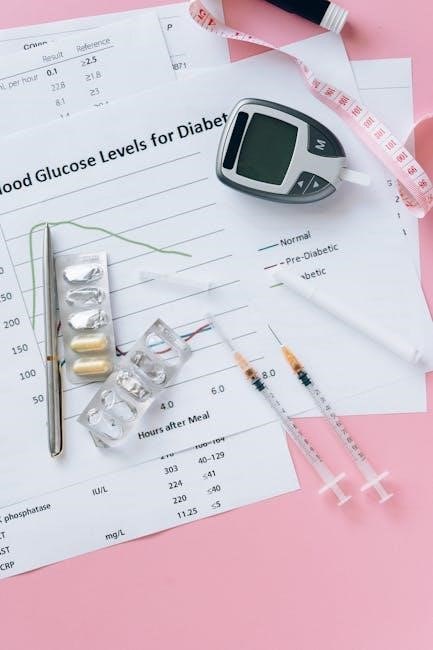
Long-Term Management vs. Sliding Scale
Sliding scale insulin (documented 04/15/2026) is a temporary solution; comprehensive diabetes education and a tailored, long-term plan—like basal-bolus—are vital for sustained glycemic control.
Sliding Scale as a Temporary Solution
Insulin lispro sliding scales, frequently utilized in acute care settings (as of 04/15/2026), are generally not intended for long-term diabetes management. Their primary role is to address temporary hyperglycemia, often encountered during hospitalization or illness, as seen with a patient’s admission to CPEP.
The practice often arises when oral agents are discontinued upon hospital admission, creating a need for rapid glucose control. However, relying solely on a sliding scale can mask underlying issues and doesn’t address the root causes of hyperglycemia.
Effective long-term control necessitates a comprehensive approach, including lifestyle modifications, diabetes education, and potentially a basal-bolus insulin regimen. Transitioning off the sliding scale requires careful planning and healthcare provider oversight to ensure stable glycemic control post-discharge.
Importance of Comprehensive Diabetes Education
Comprehensive diabetes education is crucial, especially when transitioning off an insulin lispro sliding scale (as of 04/15/2026). Patients need to understand self-management techniques, including blood glucose monitoring, insulin administration, and recognizing hypoglycemia symptoms.
Effective education empowers individuals to adjust their insulin doses, meal plans, and activity levels based on their needs. It moves beyond reactive dose adjustments – the core of a sliding scale – towards proactive glucose control.
Understanding the limitations of a sliding scale and the benefits of a more structured regimen, like basal-bolus, is vital; This knowledge fosters adherence and improves long-term glycemic outcomes, preventing reliance on temporary solutions and promoting self-efficacy.