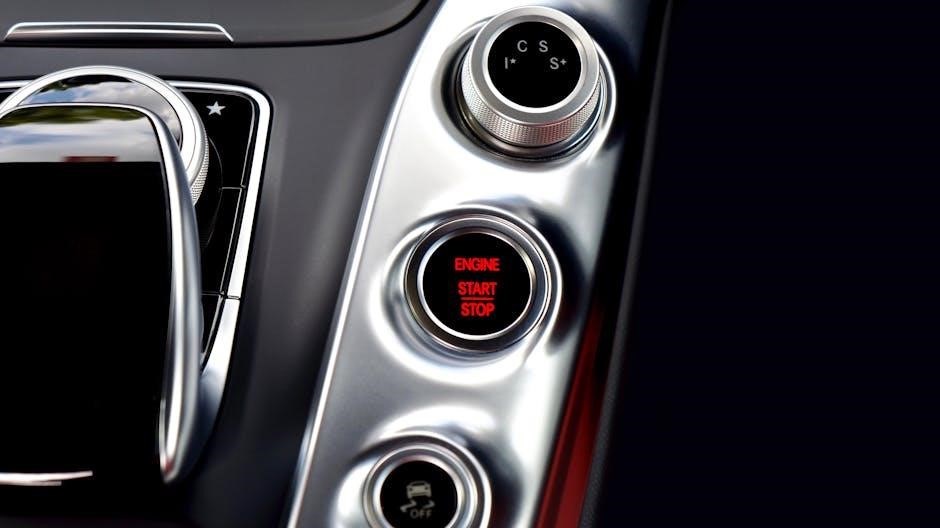
can you get auto start manual transmission
Can You Get Auto Start in a Manual Transmission Vehicle?
The possibility of equipping a manual transmission vehicle with an auto-start feature is a complex topic, often debated among car enthusiasts and mechanics.
It’s achievable,
but presents unique challenges related to safety and vehicle control,
requiring specific conditions like being in neutral.
Understanding Auto Start-Stop Systems
Auto start-stop systems are designed to improve fuel efficiency by automatically shutting off the engine when the vehicle is stationary, such as at traffic lights or in stop-and-go traffic. This technology has become increasingly common in modern vehicles, initially appearing primarily in automatic transmission models. The core principle revolves around temporarily halting the engine to eliminate idling fuel consumption and reduce emissions.
In automatic transmissions, the system typically engages when the vehicle comes to a complete stop while the driver maintains pressure on the brake pedal. Upon releasing the brake, the engine seamlessly restarts, allowing for immediate acceleration. However, some implementations have faced criticism for their responsiveness, particularly when drivers quickly transition between the brake and accelerator, or experience frequent stop-and-start cycles.
The system’s functionality differs significantly when applied to manual transmission vehicles. Instead of relying on brake pedal position, auto start-stop in manuals is generally activated when the clutch pedal is disengaged, placing the vehicle in a neutral state while stationary. This distinction highlights the fundamental difference in how these systems interact with the driver’s control inputs in each transmission type, and is a key element in understanding the complexities of retrofitting or implementing such a system.

How Auto Start-Stop Works in Automatic Transmissions
In automatic transmission vehicles, the auto start-stop system relies on a sophisticated interplay of sensors and control units. When the vehicle decelerates and comes to a complete stop, with the driver’s foot firmly on the brake pedal, the system initiates a shutdown sequence. This involves momentarily disconnecting the alternator to conserve power, and then shutting off the engine itself. Crucially, essential systems like the power steering and climate control often continue to operate, powered by a secondary battery.
The system constantly monitors various parameters, including battery voltage, engine temperature, and cabin temperature, to ensure a safe and comfortable restart. When the driver releases the brake pedal, or gently depresses the accelerator, the engine is instantly restarted, typically within a fraction of a second; This restart process is facilitated by a robust starter motor and a sophisticated engine management system.
However, the system is programmed to prevent engine shutdown under certain conditions, such as when the vehicle is on a steep incline, or when the battery charge is low. These safeguards are in place to prevent unexpected stalling and ensure reliable operation. The seamless integration of these components allows for a largely imperceptible experience for the driver, contributing to improved fuel economy and reduced emissions.
Auto Start-Stop Functionality with Manual Transmissions
Implementing auto start-stop in a manual transmission vehicle presents a distinct set of challenges compared to automatics. Unlike automatic systems triggered by brake pedal position, manual systems typically engage when the clutch pedal is disengaged while the vehicle is stationary and in neutral. This requires a precise understanding of the driver’s actions and a reliable method for detecting neutral gear selection.
The system’s functionality hinges on the driver intentionally shifting into neutral at a stop, allowing the engine to shut down. Upon clutch engagement – preparing to move – the engine automatically restarts. This differs significantly from the automatic experience, demanding driver cooperation and awareness. Some implementations, like those found in the Ford Focus RS, function effectively, but rely on the driver adhering to this procedure.
The key difference lies in the lack of a consistent “stop” signal like a held brake pedal. The system must interpret the neutral gear selection as the intentional signal to shut down, making it potentially less seamless than in automatic vehicles. This reliance on driver input is a core consideration when evaluating the feasibility and user experience of manual transmission auto start-stop systems.
The Neutral Position Requirement
The absolute necessity of being in neutral is the cornerstone of enabling any auto-start or auto start-stop functionality in a manual transmission vehicle. This requirement isn’t arbitrary; it’s a fundamental safety measure preventing unintended vehicle movement during the engine’s shutdown and restart cycles. With the transmission in gear, even a slight clutch modulation could result in the car lurching forward or backward.
The neutral position disengages the engine from the drivetrain, ensuring the wheels are free to rotate independently. This allows the engine to shut down without risk of propelling the vehicle. Remote start systems, and auto start-stop features, absolutely depend on verifying the vehicle is securely in neutral before initiating any engine operation. This verification is often achieved through the Neutral Safety Switch (NSS).
The setup process for remote start on a manual Tacoma 4th Gen, for example, explicitly involves placing the vehicle in neutral as a critical first step. Without this confirmation, the system will not activate, safeguarding against accidental starts and potential hazards. This highlights the paramount importance of neutral as a prerequisite for any automated starting procedure in a manual transmission.
Clutch Engagement and Auto Start-Stop
The interaction between clutch engagement and auto start-stop systems in manual transmission vehicles is a defining characteristic of their operation. Unlike automatic transmissions where the brake pedal controls the system, a manual relies on clutch position to determine when to engage or disengage the engine. Specifically, the auto start-stop feature typically activates when the clutch pedal is fully depressed and the vehicle is brought to a standstill in neutral.
Once the clutch is disengaged, signaling the driver’s intention to stop, the system can safely shut down the engine, conserving fuel and reducing emissions. Restarting the engine is then seamlessly integrated with clutch engagement; as the driver begins to re-engage the clutch to select a gear, the engine automatically restarts, preparing for acceleration.
A user’s experience with a Focus RS confirms this functionality, noting the engine shuts off when in neutral and restarts upon clutch engagement. This demonstrates a smooth, driver-integrated system, though some users may find the frequent shutoffs during constant stops somewhat irritating.
Reddit Discussions on Manual Transmission Auto Start-Stop
Online forums, particularly Reddit’s r/cars and r/mechanics, reveal considerable discussion surrounding auto start-stop systems in manual transmission vehicles. A prevalent theme centers on the system’s behavior – it engages when the clutch is released while the car is stopped and in neutral. Users acknowledge this differs significantly from automatic transmissions, where brake pedal position dictates activation.

Many Reddit users point out that manual transmission implementations are often perceived as less intrusive than those in automatics. The smoother transition, tied directly to driver input via the clutch, minimizes the frustrating delays some automatic users experience when quickly moving from brake to accelerator. However, opinions vary, with some still finding the constant engine cycling during stop-and-go traffic annoying.
Discussions also highlight the technical aspects, questioning the presence of a Neutral Safety Switch (NSS) in older manual transmissions and its role in enabling such a system. The general consensus is that modern manuals are equipped with the necessary safety features to support auto start-stop functionality.
User Experiences with Manual Transmission Auto Start-Stop (Focus RS Example)
Real-world experiences, shared online, offer valuable insight into how auto start-stop functions with manual transmissions. A frequently cited example is the Ford Focus RS, equipped with a six-speed manual gearbox and this feature. Owners report the system reliably shuts off the engine when in neutral and at a standstill, restarting seamlessly upon clutch engagement.
Despite generally functioning as intended, user sentiment towards the system is mixed. While acknowledging its operational effectiveness, many Focus RS owners express dislike for the feature, finding it disruptive to the driving experience. This highlights a key point: even a well-implemented system doesn’t guarantee universal acceptance.
These accounts corroborate the Reddit discussions, confirming the neutral-clutch disengagement sequence for activation. The Focus RS case study demonstrates that auto start-stop can be successfully integrated into a manual transmission vehicle, but its desirability remains subjective, dependent on individual driving preferences and tolerance for the engine cycling;
Remote Start Systems for Manual Transmissions: The Challenges
Implementing remote start in a manual transmission vehicle presents significant hurdles, primarily centered around safety and preventing unintended vehicle movement. Unlike automatics with a Neutral Safety Switch (NSS) as a standard feature, older manuals often lacked such a safeguard, creating a substantial risk if the car isn’t in neutral during start-up.
The core challenge lies in reliably verifying the transmission is in neutral before allowing the engine to ignite remotely. This requires sophisticated systems and careful installation to avoid the vehicle lurching forward or backward. The liability concerns are substantial, explaining why manufacturers like FCA historically avoided offering factory-installed remote start on manual transmission models.
Finding qualified installers willing to tackle this modification can also be difficult, given the potential legal ramifications. The process isn’t simply plug-and-play; it demands a thorough understanding of the vehicle’s electrical system and a robust method for ensuring neutral selection before ignition.
Liability Concerns and Manual Transmission Remote Start
The most significant impediment to widespread availability of remote start systems for manual transmission vehicles is the inherent liability risk. If a vehicle starts remotely while not in neutral, it could easily roll, potentially causing property damage, injury, or even fatalities. This creates a substantial legal exposure for both the installer and the vehicle owner.
Manufacturers are understandably hesitant to offer this feature factory-installed due to the potential for lawsuits. Even with safeguards, the possibility of user error or system malfunction remains. The legal landscape surrounding automotive modifications is complex, and a remote start gone wrong could lead to significant financial repercussions.
Installers face similar concerns; a poorly executed installation could result in negligence claims. Consequently, finding a shop willing to perform the work can be challenging, particularly in a “litigious era,” as noted in online forums. Thorough documentation and robust safety checks are crucial, but don’t eliminate the inherent risk entirely;
Neutral Safety Switch (NSS) and its Role
The Neutral Safety Switch (NSS) is a critical component in preventing unintended vehicle movement, particularly relevant when discussing remote start or auto-start functionality in both automatic and manual transmission vehicles. Traditionally, NSS systems were primarily associated with automatics, preventing starting unless the transmission is firmly in Park or Neutral.
However, the question arises: do modern manual transmissions utilize an NSS? Online discussions suggest that while older manuals often lacked them, contemporary systems increasingly incorporate a similar safety mechanism. This switch verifies the transmission is in neutral before allowing the engine to start remotely or via auto-start.
The NSS acts as a crucial safeguard, ensuring the vehicle won’t lurch forward or backward upon startup. Its presence is paramount for any successful and safe remote start installation on a manual transmission vehicle. Without a reliable NSS, or an equivalent system, the risk of accidental movement is unacceptably high, contributing to the liability concerns previously mentioned.
Historical Context: NSS in Manual Transmissions
Historically, manual transmission vehicles often operated without a Neutral Safety Switch (NSS) as the driver was directly responsible for controlling gear selection and preventing unintended movement. Up through the 1980s, the onus was entirely on the operator to ensure the vehicle was in neutral before attempting to start the engine. This reliance on driver action was considered sufficient safety measure for the time.
The need for an NSS became more apparent with the increasing complexity of vehicle systems and the desire for features like remote start. As technology advanced, manufacturers began incorporating NSS-like functionality into newer manual transmissions, recognizing the necessity of an automated safeguard. This evolution reflects a broader trend towards enhanced vehicle safety features.
The absence of a traditional NSS in older manuals presents a significant hurdle when attempting to retrofit a remote start system. Modern installations often require the addition of a custom NSS or a comparable safety interlock to mitigate the risk of accidental engagement of gears during remote starting, addressing the inherent safety concerns.
Modern Manual Transmissions and NSS
Contemporary manual transmissions increasingly incorporate a Neutral Safety Switch (NSS), or a similar system, as a standard safety feature. This is a crucial component for enabling functionalities like remote start and preventing accidental vehicle movement during starting procedures. Unlike older systems relying solely on driver input, modern NSS systems actively confirm the transmission is in neutral before allowing the engine to engage.
The integration of an NSS in newer manual transmissions simplifies the installation of remote start systems, as the necessary safety interlock is already present. However, compatibility and proper functionality must still be verified during installation. The NSS provides a direct signal to the remote start module, confirming the vehicle is safe to start remotely.
Even with a factory-installed NSS, careful consideration is required to ensure the remote start system is correctly configured to utilize it. Proper wiring and programming are essential to avoid bypassing the safety mechanism or causing unintended operation; This ensures the remote start functions safely and reliably.
The Tacoma 4th Gen and Manual Transmission Remote Start
The 2024 Toyota Tacoma (4th Generation) with a manual transmission has sparked considerable discussion regarding the feasibility of aftermarket remote start systems. Owners and installers have confirmed that remote start is indeed possible, but it necessitates a specific setup procedure to ensure safety and proper operation. This involves a deliberate sequence of actions before activating the remote start function.
The established process for initiating remote start on a 4th Gen Tacoma manual involves first ensuring the vehicle is securely positioned in neutral. Following this, the parking brake must be firmly engaged. Finally, the user activates the system by pressing a designated button on the key fob. This sequence confirms the vehicle won’t unexpectedly move during remote starting.
However, it’s crucial to note that this setup isn’t a plug-and-play solution. Professional installation is highly recommended to guarantee correct wiring and programming, aligning with safety standards. Improper installation could compromise the vehicle’s safety features and potentially lead to unintended consequences.
The Setup Process: Neutral, Parking Brake, and Fob Activation
Successfully initiating a remote start on a manual transmission vehicle hinges on a precise and deliberate setup process, designed to prevent unintended movement. The core principle revolves around confirming the vehicle is in a safe, non-driving state before the engine is remotely activated. This process isn’t merely a convenience feature; it’s a critical safety measure.
The foundational step involves shifting the vehicle into neutral. This disengages the transmission, eliminating the possibility of the wheels turning when the engine starts. Subsequently, the parking brake must be fully engaged, providing an additional layer of security by physically preventing the vehicle from rolling. These two steps are non-negotiable prerequisites.
Once the vehicle is confirmed in neutral with the parking brake applied, the remote start can be activated using the key fob. A designated button press sends a signal to the remote start system, initiating the engine start sequence. This carefully orchestrated process ensures a safe and controlled remote start experience, mitigating potential hazards.
Potential Issues and Considerations
Implementing a remote start system on a manual transmission vehicle isn’t without potential drawbacks and crucial considerations. While technically feasible, several factors can impact reliability and safety, demanding careful evaluation before installation. One primary concern is the potential for user error – forgetting to engage the parking brake or fully shifting into neutral could lead to dangerous situations.
Furthermore, the system’s reliance on accurate neutral detection introduces a point of potential failure. A malfunctioning neutral safety switch (NSS) could allow the engine to start while the vehicle is in gear. Regular inspection and maintenance of the NSS are therefore paramount. Battery drain is another consideration, as remote start systems continuously monitor for fob signals.
Finally, modifications to the vehicle’s electrical system can potentially void warranties or create compatibility issues with other electronic components. Thorough research and professional installation are essential to minimize these risks and ensure a safe, reliable remote start experience.
Finding Installation Shops

Locating a qualified installation shop for a manual transmission remote start system requires diligent research, as not all installers possess the necessary expertise. Due to the inherent liability concerns and complexity, many shops are hesitant to undertake such modifications. Start by seeking recommendations from online forums dedicated to your vehicle make and model – communities like Tacoma4G.com or JeepGladiatorForum.com can provide valuable insights.
Prioritize shops specializing in aftermarket automotive electronics and security systems, rather than general repair facilities. Verify their experience specifically with manual transmission vehicles and remote start installations. Inquire about their familiarity with neutral safety switch integration and bypass procedures.
Check online reviews and ratings on platforms like Google and Yelp, paying attention to comments regarding installation quality and customer service. Don’t hesitate to request quotes from multiple shops, comparing pricing and services offered. A reputable installer will provide a detailed explanation of the installation process and address any concerns you may have.
Legal and Insurance Implications
Modifying a vehicle with a remote start system, particularly a manual transmission, introduces potential legal and insurance ramifications. The primary concern revolves around liability in the event of an accident or theft. Many jurisdictions have regulations regarding vehicle modifications, and an improperly installed remote start could lead to legal penalties.
Insurance companies may view aftermarket modifications as increasing risk, potentially leading to higher premiums or even policy cancellation. It’s crucial to inform your insurance provider about the installation and obtain confirmation that your coverage remains valid. Failure to disclose the modification could result in a claim denial.
Furthermore, some states may have specific laws prohibiting remote starts on manual transmission vehicles due to safety concerns; Research your local regulations before proceeding with the installation. Document the installation process thoroughly, including receipts and certifications from the installer, to demonstrate compliance and mitigate potential legal issues.