singer simple sewing machine 3116 manual
Singer Simple 3116 Sewing Machine Manual: A Comprehensive Guide
This comprehensive guide provides instant access to the Singer 3116 sewing machine manual, a downloadable PDF resource. It empowers users with the knowledge to confidently operate, maintain, and troubleshoot their machine, ensuring optimal performance and longevity.
The Singer Simple 3116 sewing machine is designed for both beginner and experienced sewers, offering a blend of simplicity and functionality. This machine stands out for its user-friendly operation and reliable performance, making it a popular choice for a wide range of sewing projects. Before embarking on your creative journey, understanding your machine is paramount.
This manual serves as your essential companion, guiding you through every aspect of the Singer Simple 3116. It’s recommended to thoroughly review this instruction book, step-by-step, while seated at your machine to fully grasp its advantages and ease of operation. The manual details everything from initial setup and basic techniques to advanced features and troubleshooting.
Whether you’re a novice learning the basics or a seasoned seamstress tackling complex designs, this guide will unlock the full potential of your Singer Simple 3116, ensuring a seamless and enjoyable sewing experience. It’s a valuable resource for maximizing your machine’s capabilities.
Understanding the Manual’s Importance
The Singer Simple 3116 manual isn’t merely a collection of instructions; it’s the key to unlocking your sewing machine’s full potential and ensuring its longevity. A thorough understanding of the manual prevents potential damage to the machine and guarantees optimal sewing results. Ignoring the guidance within can lead to improper operation, frustrating errors, and even costly repairs.
This document provides detailed insights into every component, feature, and function of the Singer Simple 3116. It covers essential aspects like threading, bobbin winding, stitch selection, and maintenance procedures. By familiarizing yourself with these details, you’ll avoid common pitfalls and confidently tackle diverse sewing projects.
Furthermore, the manual serves as a valuable troubleshooting resource, offering solutions to frequently encountered issues. Accessing the PDF version allows for convenient reference and ensures you always have the necessary information at your fingertips. Prioritizing the manual is prioritizing successful sewing!
Safety Precautions
Prior to operating your Singer Simple 3116 sewing machine, carefully review the safety precautions outlined in the manual. These guidelines are crucial for preventing injury and ensuring a safe sewing experience. Never operate the machine with damaged parts, and always disconnect the power supply before performing maintenance or changing the needle.
Keep fingers away from moving parts, such as the needle and presser foot, during operation. Avoid sewing over pins or thick fabrics that could strain the motor or cause the needle to break. Always use the appropriate needle type and size for the fabric being sewn, as specified in the manual.
Ensure the machine is placed on a stable, level surface during use. Never leave the machine unattended while it is plugged in. Following these simple safety measures will protect both you and your Singer Simple 3116, allowing for years of enjoyable sewing.

Machine Components & Features
Explore the Singer Simple 3116’s key parts, including the spool winding system and thread path. Understanding these features unlocks the machine’s full potential for various sewing projects.
Identifying Key Parts
Familiarizing yourself with the Singer Simple 3116’s components is crucial for effective operation and maintenance. Key parts include the power switch, handwheel, stitch selection dial, and stitch length/width controls. The presser foot lever adjusts pressure, while the reverse lever enables backstitching.
Locate the bobbin winder, essential for preparing bobbins, and the thread tension dial, which controls thread balance. The needle clamp secures the needle, and the feed dogs advance fabric during sewing. The spool pin holds the thread spool, and the thread guides direct the thread path.
Understanding the function of each part ensures smooth sewing and allows for quick troubleshooting. Refer to the manual’s diagrams for visual identification. Proper identification facilitates efficient machine setup and prevents potential damage. Knowing these components empowers you to maximize your sewing experience with the Singer Simple 3116.
Spool Winding System
The Singer Simple 3116 features a straightforward spool winding system, vital for preparing bobbins. Begin by placing the thread spool on the spool pin, ensuring it rotates freely. Guide the thread through the thread guides, following the manual’s diagram precisely. Next, thread the end of the thread through the tension disc and onto the bobbin.
Position the bobbin onto the bobbin winder spindle and push the spindle to the right to engage the winding mechanism. Depress the foot pedal gently to start winding. The machine will automatically stop when the bobbin is full.
Consistent winding ensures even thread distribution on the bobbin, preventing uneven stitches. Always use quality thread and avoid overfilling the bobbin. Regularly check the tension to maintain optimal winding performance. A properly wound bobbin is essential for achieving high-quality sewing results with your Singer Simple 3116.
Bobbin Winding Instructions
To wind the bobbin on your Singer Simple 3116, first, place the thread spool on the spool pin. Ensure the spool clicks into place and rotates smoothly. Next, draw the thread through the first thread guide, then through the tension disc, and finally, wrap it several times around the bobbin.
Secure the bobbin onto the bobbin winder spindle, pushing it firmly to the right to activate the winding mechanism. Gently press the foot pedal to begin winding. The machine will automatically stop when the bobbin is full, preventing overfilling.
Consistent bobbin winding is crucial for even stitch formation. Avoid using old or damaged thread, as this can cause issues. Regularly inspect the thread path for obstructions. A well-wound bobbin contributes significantly to the overall sewing quality of your Singer Simple 3116 machine.
Thread Path Guide
Proper threading is essential for the Singer Simple 3116 to function correctly. Begin by raising the presser foot; this opens the tension discs. Place the spool of thread on the spool pin, ensuring it rotates freely. Guide the thread down through the first thread guide, then through the tension discs – confirm it’s securely seated between them.
Continue threading by bringing the thread up and through the take-up lever. Then, thread it through the wire guide, and finally, through the needle clamp from back to front. Ensure the thread is fully inserted into the needle’s eye.
A correct thread path guarantees smooth and consistent stitching. Always double-check each step, and refer to the machine’s diagrams if needed. Incorrect threading is a common cause of sewing problems, so meticulous attention to detail is vital for optimal performance.

Setting Up Your Machine

Prepare for sewing by powering on the machine and attaching the desired presser foot. Select your stitch pattern and adjust the length and width for optimal results.
Powering On and Off
To begin sewing with your Singer Simple 3116, ensure the machine is properly connected to a functioning power outlet. The power switch is conveniently located on the machine’s body, typically on the right-hand side. Locate the switch and gently move it to the “On” position – often indicated by a “I” symbol. You’ll hear a subtle click, and the machine is ready for operation.
Always remember to turn the machine off when changing the needle, threading, or performing any maintenance. To power off, simply move the power switch back to the “Off” position – usually marked with an “O” symbol. Disconnecting the power cord from the outlet when not in use is a recommended safety precaution. This prevents accidental activation and conserves energy. Properly powering on and off ensures both the safety of the user and the longevity of the sewing machine.
Attaching the Presser Foot
Begin by ensuring the machine is powered off for safety. Locate the presser foot lever at the back of the presser foot holder. Lift this lever upwards; this action releases the currently attached presser foot. Gently press the new presser foot down onto the pin located within the presser foot holder.
Ensure the foot clicks securely into place – a firm connection is crucial for proper sewing. Lower the presser foot lever to lock the foot in position. A slight tug will confirm it’s securely fastened. The Singer Simple 3116 is designed for easy presser foot changes, allowing for versatility in sewing projects. Different presser feet are available for specialized tasks, expanding the machine’s capabilities. Always refer to the manual for specific foot compatibility and usage instructions.
Selecting Stitch Patterns
The Singer Simple 3116 offers a variety of stitch patterns for diverse sewing needs. To select a stitch, locate the stitch selection dial, typically positioned on the front of the machine. Rotate the dial to align the desired stitch number with the indicator mark. The manual provides a clear diagram illustrating each stitch pattern and its corresponding number;
Common stitches include straight stitch, zigzag stitch, and several decorative options. Experiment with different stitches on scrap fabric to understand their effects before starting your project. Ensure the dial is firmly set on the chosen stitch to prevent accidental changes during sewing. The stitch length and width can be further adjusted for customization, offering greater control over the final result. Refer to the manual for detailed explanations of each stitch’s optimal settings.
Adjusting Stitch Length and Width
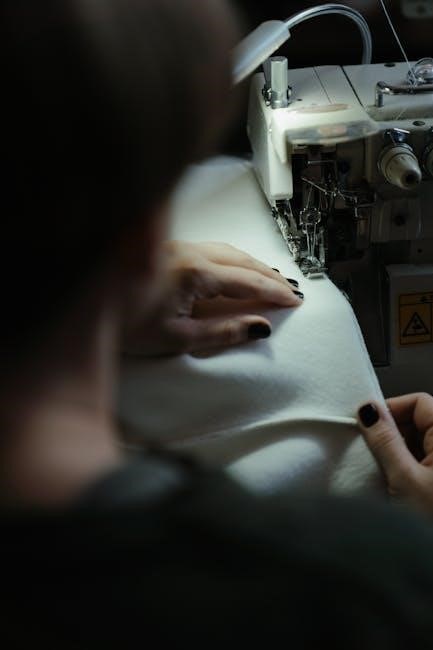
The Singer Simple 3116 allows for precise control over stitch length and width, crucial for achieving desired sewing results. Locate the length dial, usually marked with measurements in millimeters, and rotate it to select the appropriate stitch length for your fabric and project. Shorter stitch lengths are ideal for delicate fabrics, while longer lengths suit heavier materials.
Similarly, the width dial controls the zigzag stitch’s width. Adjust it to create narrow or wide zigzag stitches, depending on your application. Experiment on scrap fabric to determine the optimal settings before sewing your final project. The manual provides guidance on recommended settings for various fabrics and stitch types. Remember that adjusting these dials impacts the fabric’s appearance and strength, so careful consideration is key.
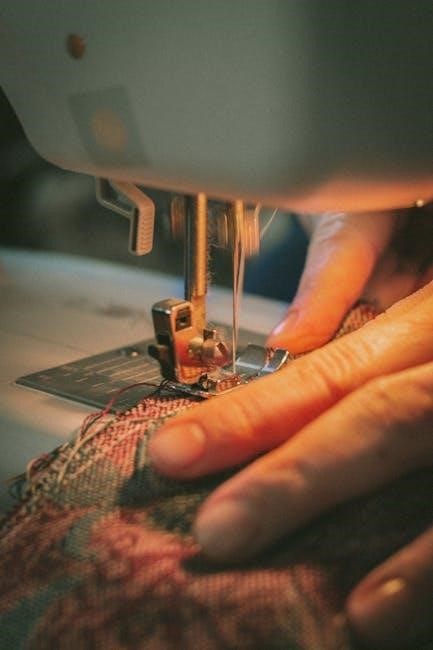
Basic Sewing Techniques
Mastering fundamental techniques, like threading, bobbin insertion, and stitch execution, is essential for utilizing the Singer Simple 3116 effectively. The manual provides clear, step-by-step instructions.
Threading the Machine
Proper threading is crucial for successful sewing with the Singer Simple 3116. Begin by ensuring the machine is turned off. Raise the presser foot; this opens the tension discs, allowing the thread to seat correctly. Guide the thread from the spool, through the first thread guide, and then down and around the tension disc.
Next, continue threading through the take-up lever – ensure the lever is at its highest point. Proceed down and through the thread guide near the needle clamp. Finally, thread the needle from front to back. The manual provides detailed diagrams illustrating this process.

Important considerations include using the correct type of thread for your fabric and ensuring the thread is securely seated in each guide. Incorrect threading can lead to skipped stitches or tension problems. Refer to the manual’s illustrations for visual guidance, and always double-check your work before beginning to sew.
Inserting the Bobbin
Correct bobbin insertion is vital for the Singer Simple 3116’s operation. First, locate the bobbin case – it’s typically a front-loading system on this model. Open the bobbin cover. Wind a bobbin with thread, following the spool winding instructions in the manual.
Hold the bobbin with the thread unwinding in a clockwise direction, and insert it into the bobbin case. Ensure the thread slips easily into the tension spring. Gently pull the thread through the tension slot, leaving a tail of about 4-6 inches.
Proper alignment is key; the bobbin should sit flat and rotate freely. Incorrect insertion can cause tangled threads and skipped stitches. The manual’s diagrams clearly illustrate the correct bobbin placement. Always test the threading with a few stitches before starting your project to confirm proper function.
Sewing Straight Stitches
Mastering straight stitches is fundamental with the Singer Simple 3116. Begin by threading the machine and inserting the bobbin correctly, as detailed in the manual. Select the straight stitch pattern using the stitch selection dial. Adjust the stitch length according to your fabric and project needs – a standard length is around 2.5mm.
Place your fabric under the presser foot, aligning the edge with the desired seam allowance guide on the needle plate. Lower the presser foot. Gently depress the foot pedal to begin sewing. Guide the fabric smoothly, avoiding pulling or pushing it.
Maintain a consistent speed for even stitches. Backstitch at the beginning and end of the seam to secure the threads. The manual provides visual aids for achieving a perfect straight stitch. Practice on scrap fabric to build confidence and refine your technique.
Sewing Zigzag Stitches
Zigzag stitches offer versatility for various applications on the Singer Simple 3116. Select the zigzag stitch pattern using the stitch selection dial. Adjust both the stitch length and width to achieve the desired effect – wider and longer stitches are suitable for stretch fabrics or decorative purposes.
Begin by placing your fabric under the presser foot and lowering it securely. Gently depress the foot pedal, guiding the fabric smoothly. Zigzag stitches are excellent for finishing raw edges, preventing fraying, and creating decorative embellishments.
The manual illustrates how to adjust the stitch width for different effects. Practice on scrap fabric to understand how varying the settings impacts the stitch appearance. Utilize zigzag stitches for buttonholes (with optional foot) and appliqué work, expanding your sewing capabilities.
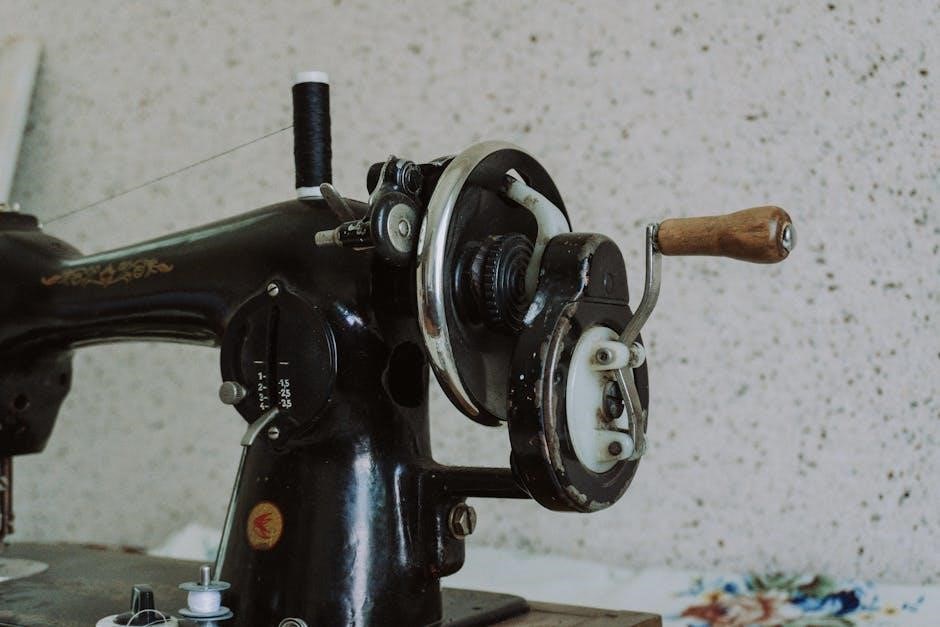
Maintenance & Troubleshooting
Regular cleaning and oiling are crucial for optimal performance. The manual details solutions for common issues, including needle replacement, ensuring your Singer Simple 3116 operates smoothly.
Cleaning the Machine
Maintaining a clean sewing machine is paramount for smooth operation and longevity of your Singer Simple 3116. Dust, lint, and thread fragments can accumulate within the machine, hindering performance and potentially causing damage. Before any cleaning, always ensure the machine is switched off and unplugged from the power source for safety.
Begin by removing the bobbin case and thoroughly cleaning around the bobbin area with a small brush, removing any lint or debris. Use a lint brush or a soft cloth to wipe down the exterior surfaces of the machine. For hard-to-reach areas, a cotton swab can be incredibly useful. Avoid using liquid cleaners directly on the machine; instead, dampen a cloth lightly and wipe gently.
Pay particular attention to the feed dogs, ensuring they are free from lint buildup. Regularly cleaning these areas will prevent skipped stitches and fabric jams. The manual provides detailed diagrams illustrating the key areas requiring attention. Consistent cleaning, even after each use, will significantly extend the life of your Singer Simple 3116 and maintain its optimal sewing performance.
Oiling the Machine
Proper lubrication is crucial for the Singer Simple 3116’s smooth and efficient operation. Oiling reduces friction between moving parts, preventing wear and tear and ensuring consistent stitch quality. Always refer to your manual for specific oiling points, as incorrect lubrication can cause more harm than good.
Use only sewing machine oil – never use oil alternatives like WD-40, as these can gum up the mechanism. Apply a small drop of oil to the designated oiling points, typically found around the bobbin area, hook assembly, and presser foot bar. Avoid over-oiling; a little goes a long way.
After oiling, run the machine briefly to distribute the oil evenly. Wipe away any excess oil with a clean, soft cloth. Regular oiling, as recommended in the manual, will significantly extend the lifespan of your Singer Simple 3116 and maintain its peak performance. Consistent maintenance prevents costly repairs and ensures years of reliable sewing.
Troubleshooting Common Issues
Encountering problems with your Singer Simple 3116 is common, but many are easily resolved. Thread bunching often indicates incorrect threading or improper bobbin insertion – re-thread the machine and ensure the bobbin is correctly seated. Skipped stitches can stem from a dull or incorrect needle; replace it with the appropriate type and size.
If the machine jams, stop immediately and carefully remove any tangled thread. Consistent tension issues may require tension adjustment – consult the manual for detailed instructions. Always unplug the machine before attempting any internal troubleshooting.
The manual provides a comprehensive list of common issues and their solutions. If you’re unable to resolve the problem, consider seeking assistance from a qualified sewing machine technician. Regular maintenance, as outlined in the manual, can prevent many of these issues from occurring in the first place.
Needle Replacement Guide
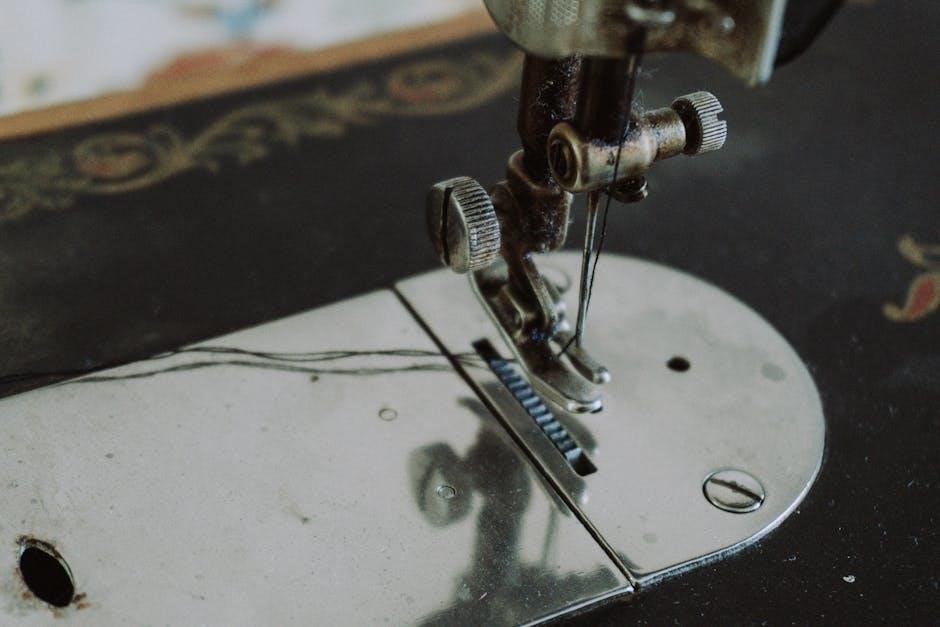
Replacing the needle on your Singer Simple 3116 is a straightforward process, crucial for maintaining optimal sewing performance. Always power off and unplug the machine before beginning. Locate the needle screw, typically on the needle clamp. Loosen the screw with a screwdriver, then gently remove the old needle.
Insert the new needle with the flat side facing the back of the machine. Ensure it’s pushed fully into the clamp. Tighten the needle screw securely, but avoid over-tightening. Refer to the manual for the correct needle type and size for your fabric.
A dull or damaged needle can cause skipped stitches, thread breakage, and fabric damage. Regular needle replacement is essential for smooth and efficient sewing. Discard used needles safely to prevent injury. The manual provides detailed diagrams illustrating this process.
Advanced Features & Operations
Explore optional presser feet and tension adjustments for enhanced sewing capabilities. The Singer 3116 manual details these features, unlocking creative potential and precision in your projects.
Using Optional Presser Feet
The Singer Simple 3116 sewing machine’s versatility expands significantly with the use of optional presser feet. While the standard presser foot handles many fabrics and techniques, specialized feet unlock a wider range of sewing possibilities; The manual details various feet available, though specific models may vary based on retailer and region.
Consider a zipper foot for precise stitching close to zipper teeth, ensuring professional-looking results. An overcasting foot creates a neat, finished edge on fabric, preventing fraying. A buttonhole foot simplifies the creation of consistent buttonholes, a crucial skill for garment making. Furthermore, a blind hem foot allows for nearly invisible hems, ideal for skirts and trousers.
The manual provides guidance on correctly attaching and using each foot, emphasizing the importance of selecting the appropriate foot for the task at hand. Proper foot selection not only improves stitch quality but also protects your fabric and machine. Experimenting with different feet will elevate your sewing projects and broaden your skillset.
Understanding Tension Adjustment
Proper thread tension is crucial for achieving balanced and professional-looking stitches on the Singer Simple 3116. The manual explains that tension refers to the force applied to the upper and bobbin threads as they interlock. Incorrect tension leads to issues like looping, puckering, or thread breakage.
The tension dial on the machine controls the upper thread tension. A higher number increases tension, while a lower number decreases it. The manual advises starting with the default setting (typically ‘4’) and adjusting incrementally. Test stitches on scrap fabric are essential to assess the balance.
Symptoms of incorrect tension include loops on the top or bottom of the fabric. If the upper thread loops, decrease the upper tension. Conversely, if the bobbin thread loops, increase the upper tension. Consistent testing and small adjustments, as detailed in the manual, are key to mastering tension control and achieving optimal stitch quality;
Frequently Asked Questions (FAQ)
Many users frequently inquire about basic operations and troubleshooting for the Singer Simple 3116. Common questions, addressed in the manual and online forums, concern threading issues, bobbin winding, and stitch selection. Users often ask about resolving skipped stitches, which can stem from incorrect threading or a dull needle.
Another frequent query relates to the machine’s compatibility with different fabric types. The manual provides guidance on adjusting stitch length and tension for various materials. Questions also arise regarding error messages, though the Simple 3116 has limited display features.
Regarding maintenance, users often ask about oiling procedures and cleaning frequency. The manual emphasizes regular cleaning to prevent lint buildup. Accessing the PDF manual online and consulting user comments provides additional solutions to commonly encountered problems, fostering a supportive community for Singer 3116 owners.
Downloading the PDF Manual
Accessing the Singer Simple 3116 sewing machine manual in PDF format is remarkably straightforward. Numerous websites offer free downloads, eliminating the need for purchase or registration. A quick online search for “Singer 3116 manual PDF” yields several reliable sources, providing instant access to comprehensive documentation.
These downloadable manuals encompass detailed instructions on machine operation, maintenance, and troubleshooting. Users can conveniently save the PDF to their computer, tablet, or smartphone for easy reference during sewing projects. The digital format allows for searchable keywords, quickly locating specific information.
Furthermore, platforms dedicated to sewing machine manuals, like those specializing in Singer, PFAFF, and Husqvarna Viking, consistently provide updated PDF versions. This ensures users always have the most current guidance for their Singer Simple 3116.