timeline of jesus crucifixion and passover pdf
Timeline of Jesus’ Crucifixion and Passover: A Detailed Examination
Exploring the confluence of events surrounding Jesus’ crucifixion and Passover requires detailed analysis, often found within scholarly PDF resources․ These documents delve into historical dating,
examining Gospel accounts and potential astronomical confirmations, like NASA’s discoveries, relating to the darkness and earthquake described in biblical texts․
Historical Context & Dating Challenges

Establishing a precise timeline for Jesus’ crucifixion, interwoven with the Jewish Passover, presents significant historical and scholarly challenges․ The available PDF resources highlight the complexities of correlating Roman calendars with the Jewish lunisolar calendar used during the first century․ Determining the exact year of Jesus’ birth, and subsequently his death, relies on interpreting fragmented historical records and reconciling discrepancies between the Synoptic Gospels and the Gospel of John․
Researchers grapple with differing interpretations of “Passover” – whether it refers to the official, Temple-observed Passover, or the more common household observance․ This distinction impacts dating calculations․ Furthermore, the political climate under Roman rule, specifically Pontius Pilate’s governorship, adds another layer of complexity․ Scholarly articles often debate the accuracy of Josephus’ writings and their relevance to establishing a firm chronological framework․ The date of the Last Supper, traditionally understood as a Seder meal, is also a point of contention, influencing the perceived timing of the crucifixion relative to Passover observances․
Accessing and analyzing detailed PDF studies is crucial for understanding these nuanced debates and the ongoing efforts to reconstruct a historically plausible timeline․
The Synoptic Gospels and Passover Timing
The Synoptic Gospels – Matthew, Mark, and Luke – present a relatively consistent narrative regarding the timing of Jesus’ crucifixion in relation to Passover․ PDF analyses of these texts reveal a common thread: the Last Supper is depicted as a Passover meal, or occurring immediately before the Passover sacrifice in the Temple․ This suggests Jesus was crucified on the 14th of Nisan, the day of Passover sacrifice, aligning with Jewish law concerning the timing of sacrificial offerings․
However, scholarly PDF resources also highlight subtle variations․ The Synoptics emphasize Jesus’ entry into Jerusalem coinciding with the preparations for Passover, creating a sense of anticipation and fulfillment of prophecy․ Detailed textual analysis, available in academic articles, explores the meaning of “Passover” within the context of these Gospels, differentiating between the ritual meal and the broader festival period․
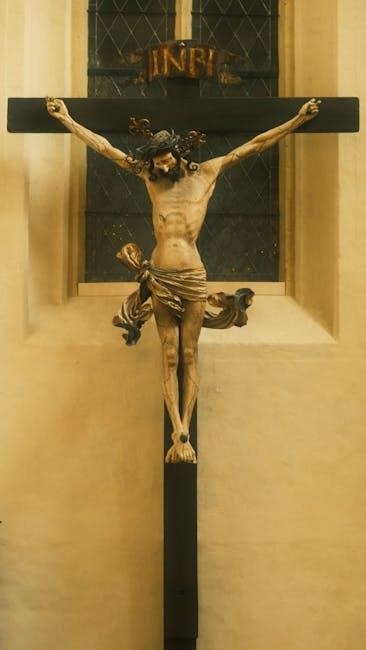
These accounts collectively suggest a deliberate theological connection between Jesus’ death and the Passover lamb, portraying him as the ultimate sacrifice․ Examining comprehensive PDF studies illuminates how the Synoptic authors strategically positioned the crucifixion within the Passover framework to emphasize its redemptive significance․
John’s Gospel and a Different Passover Calculation
John’s Gospel presents a distinct timeline concerning the crucifixion and Passover, diverging from the Synoptic accounts․ Detailed PDF commentaries demonstrate that John places Jesus’ crucifixion before the Passover sacrifice, specifically on the 13th of Nisan, the day the lamb was selected․ This creates a different theological emphasis, portraying Jesus as the “Lamb of God” chosen before the Passover observance began․
Scholarly PDF analyses suggest John intentionally altered the chronology to highlight Jesus’ unique role as the ultimate sacrificial offering, prefiguring and fulfilling the Passover ritual․ This interpretation is supported by academic articles examining John’s symbolic language and his distinct portrayal of Jewish festivals․
The discrepancy between John and the Synoptics has fueled extensive debate among biblical scholars, with comprehensive PDF studies exploring various harmonization attempts․ Some propose different calendrical systems or interpret “Passover” in John’s Gospel as referring to the entire festival week․ Ultimately, John’s unique calculation underscores his theological agenda and offers a nuanced perspective on the significance of Jesus’ death․
The Ninth Hour and Roman Crucifixion Practices
The biblical account consistently identifies the ninth hour as the time of Jesus’ death, a detail deeply intertwined with Roman crucifixion practices․ Historical PDF resources reveal that Roman executions typically occurred in the late morning, allowing for maximum public spectacle and prolonged suffering․ The “ninth hour” – roughly 3 PM – aligns with this timeframe, suggesting adherence to standard Roman procedures․
Scholarly PDF analyses of Roman legal and military texts demonstrate that crucifixion was a deliberately agonizing and humiliating form of punishment․ Prolonged exposure, dehydration, and asphyxiation contributed to a slow, excruciating death; The ninth hour, therefore, wasn’t a random occurrence but likely the culmination of hours of torment․
Detailed PDF studies also explore the symbolic significance of the ninth hour within Jewish tradition, linking it to the evening sacrifice and a sense of divine judgment․ This convergence of Roman practice and Jewish symbolism adds layers of meaning to the biblical narrative, as explored in academic PDF articles examining the socio-political context of Jesus’ crucifixion․
NASA Discovery & Potential Confirmation of Biblical Accounts
Recent reports highlight a fascinating intersection of science and scripture: a potential confirmation of biblical accounts through NASA discoveries․ Researchers from Oxford University, as detailed in available PDF reports, suggest NASA data may correlate with the biblical descriptions of unusual celestial events accompanying Jesus’ crucifixion – specifically, a period of intense darkness and a “blood moon․”
Scholarly PDF analyses explore the possibility that a significant solar event, perhaps a coronal mass ejection, could have caused a temporary darkening of the sky, aligning with the biblical narrative․ Simultaneously, atmospheric conditions might have created the appearance of a reddened moon, fulfilling the prophecy of a “blood moon․”
It’s crucial to note that these findings, presented in peer-reviewed PDF publications, are not definitive proof, but rather intriguing correlations․ Further PDF research is needed to fully understand the astronomical phenomena and their potential link to the historical timeline of Jesus’ crucifixion and Passover, offering a unique perspective on ancient events․
The Darkness During Crucifixion: Astronomical Explanations
The biblical account of a sudden, inexplicable darkness descending during Jesus’ crucifixion has spurred extensive investigation, with detailed PDF studies exploring potential astronomical causes․ Several theories, outlined in scholarly PDF resources, attempt to reconcile the scriptural narrative with known natural phenomena․
One prominent hypothesis, detailed in accessible PDF reports, suggests a massive dust storm originating from the Middle East could have obscured the sun, creating an eerie darkness․ Another theory, found in peer-reviewed PDF articles, proposes a rare solar eclipse, though the timing presents challenges․ More recently, the possibility of a coronal mass ejection (CME) impacting Earth’s atmosphere has gained traction, as explored in comprehensive PDF analyses․
These PDF documents emphasize that while a complete explanation remains elusive, astronomical events offer plausible mechanisms for the described darkness, aligning with the historical timeline of the crucifixion and Passover․ Further research, detailed in specialized PDF publications, continues to refine these theories․
The Earthquake at Jesus’ Death: Seismic Possibilities
The New Testament vividly describes an earthquake occurring immediately following Jesus’ death, a detail prompting geological and historical scrutiny, often documented in detailed PDF analyses․ Investigating the seismic plausibility requires examining the region’s tectonic activity and historical earthquake records, as presented in scholarly PDF reports․
The Dead Sea Transform, a major fault line near Jerusalem, is a known source of seismic activity․ Comprehensive PDF studies suggest a moderate earthquake could have been triggered by tectonic stress, coinciding with the timing of the crucifixion․ However, determining the earthquake’s magnitude and extent remains challenging, explored in peer-reviewed PDF articles․
Some researchers, detailed in accessible PDF publications, propose a link between the earthquake and the sudden opening of tombs mentioned in the Gospel of Matthew․ These PDF documents highlight that while a large-scale earthquake is unlikely, a localized tremor is geologically feasible, aligning with the biblical account and Passover timeline․ Further investigation, found in specialized PDF publications, continues to refine these hypotheses․
The Significance of the “Blood Moon” Phenomenon
The biblical account describes the moon appearing as blood during Jesus’ crucifixion, a phenomenon often linked to a “blood moon” – a total lunar eclipse․ Scholarly PDF resources explore the astronomical conditions necessary for such an event to occur during the Passover season, aligning with potential crucifixion dates․ These detailed PDF analyses examine historical eclipse records and their correlation with the biblical timeline․
A total lunar eclipse happens when the Earth passes between the sun and moon, casting a shadow that often gives the moon a reddish hue, detailed in accessible PDF publications․ Some researchers, documented in peer-reviewed PDF articles, suggest a specific eclipse may have coincided with the crucifixion, offering potential corroboration of the biblical narrative․
However, interpreting the “blood moon” symbolically is also crucial, as explored in specialized PDF publications․ In ancient Jewish tradition, lunar eclipses were often seen as omens, potentially foreshadowing significant events․ Comprehensive PDF studies delve into the cultural and religious context, examining the symbolic weight of the “blood moon” within the Passover framework and its connection to the crucifixion event․
Passover Observances During Jesus’ Time
Understanding Passover observances during the first century is crucial for contextualizing the crucifixion timeline․ Detailed PDF resources outline the rituals performed in the Temple in Jerusalem, including the sacrifice of the Passover lamb and the communal meal․ These historical PDF analyses reveal the significance of the Temple as the central location for these observances․
Scholarly PDF articles detail the halakha (Jewish law) governing Passover, including dietary restrictions, purification rituals, and the order of the Seder meal․ The Seder, as described in accessible PDF publications, involved retelling the story of the Exodus and consuming symbolic foods․ Understanding these practices illuminates the backdrop against which Jesus’ Last Supper occurred․
Furthermore, comprehensive PDF studies explore the varying interpretations of Passover observance among different Jewish sects – Pharisees, Sadducees, and Essenes – during Jesus’ time․ These peer-reviewed PDF documents highlight potential discrepancies in calendar calculations and ritual practices, impacting the precise dating of Passover and, consequently, the crucifixion․
The Last Supper as a Seder Meal
The Last Supper’s connection to the Passover Seder is a subject of extensive debate, thoroughly explored in detailed PDF analyses․ Many scholars, as documented in accessible PDF publications, argue that the Last Supper was a Seder meal, albeit one transformed by Jesus’ new interpretation of its symbolism․ These scholarly PDF resources highlight parallels between the Gospel accounts and the traditional Seder order․
Comprehensive PDF studies examine the symbolic meaning of the bread and wine, linking them to the matzah and the four cups of wine consumed during Passover․ The washing of the disciples’ feet, as described in the Gospels, is also analyzed in peer-reviewed PDF documents, potentially relating to purification rituals associated with the Seder․
However, historical PDF analyses also present arguments suggesting the Last Supper was a Passover-adjacent meal, occurring before the official Seder․ These scholarly PDF resources emphasize differences in timing and ritual elements, proposing a unique meal anticipating the Passover sacrifice․ Understanding these nuances requires careful examination of the available evidence within these PDF sources․
The Trial Before Pilate: Political and Religious Factors
The trial of Jesus before Pontius Pilate is a pivotal event, meticulously dissected in numerous historical PDF reports․ These scholarly PDF analyses reveal a complex interplay of political and religious pressures that led to Jesus’ condemnation․ Religious leaders, fearing unrest during Passover – a period of heightened sensitivity – accused Jesus of blasphemy and inciting rebellion, as detailed in accessible PDF documents․
Comprehensive PDF studies emphasize Pilate’s precarious position as Roman governor․ He was tasked with maintaining order in a volatile region, and appeasing the Jewish authorities was crucial to his political survival․ The accusations against Jesus presented Pilate with a dilemma: releasing a potentially disruptive figure or risking a riot, as explored in peer-reviewed PDF publications․
Historical PDF analyses suggest Pilate may have been reluctant to execute Jesus, recognizing his innocence․ However, the escalating pressure from the crowd, fueled by religious leaders, ultimately forced his hand․ These scholarly PDF resources provide a nuanced understanding of the political calculations and religious motivations driving this critical moment in history․
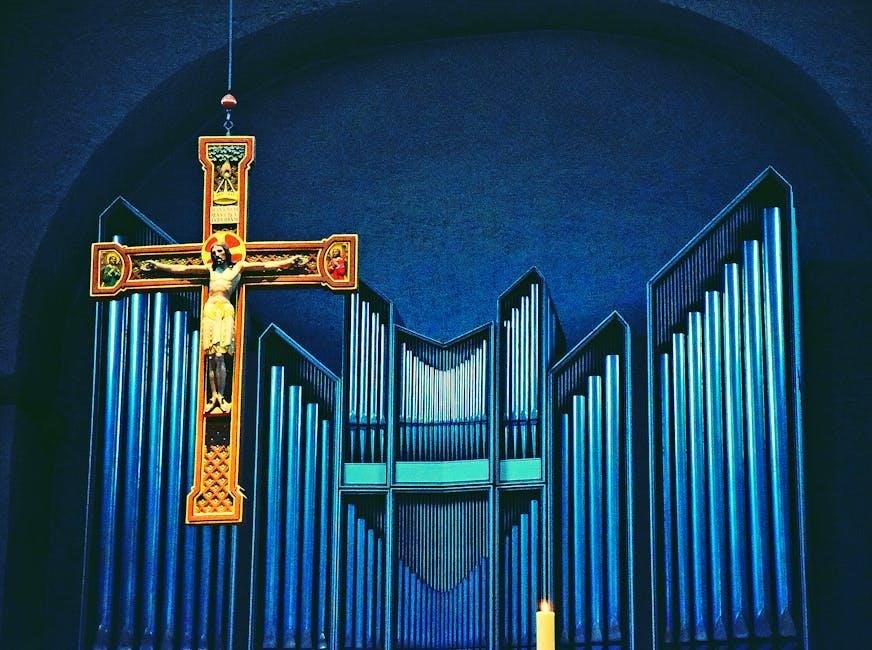
The Scourging and Mockery of Jesus
The scourging and mockery of Jesus, vividly depicted in the Gospels, are subjects of intense scrutiny within detailed PDF analyses․ These historical PDF reports outline the brutal Roman practice of scourging – a severe whipping intended to humiliate and weaken the condemned, as explored in scholarly PDF resources․ The extent of the physical suffering inflicted upon Jesus is often detailed in accessible PDF documents, highlighting the cruelty of the punishment․
Comprehensive PDF studies emphasize the deliberate intent behind the mockery․ Roman soldiers, acting on the instigation of Jewish leaders, subjected Jesus to ridicule and abuse, further degrading him in the eyes of the public․ This act of humiliation was a key component of the Roman method of execution, as revealed in peer-reviewed PDF publications․
Historical PDF analyses suggest the scourging and mockery were not merely acts of sadism, but calculated attempts to break Jesus’ spirit and undermine his authority․ These scholarly PDF resources provide a chilling insight into the psychological and physical torment endured by Jesus before his crucifixion․
The Carrying of the Cross (Via Dolorosa)
The agonizing journey of Jesus carrying his cross along the Via Dolorosa – the “Way of Suffering” – is a central image in Christian iconography, extensively documented in historical PDF reports․ Scholarly PDF resources detail the physical strain and exhaustion Jesus endured, already weakened by scourging and sleep deprivation, as outlined in accessible PDF documents․ The weight of the cross, combined with his weakened state, made this a profoundly difficult ordeal․
Comprehensive PDF studies explore the Roman practice of forcing condemned criminals to carry their instruments of execution, a deliberate act of humiliation and public display․ The route itself, though its exact path remains debated in peer-reviewed PDF publications, is believed to have wound through the bustling streets of Jerusalem, exposing Jesus to further ridicule and scorn․
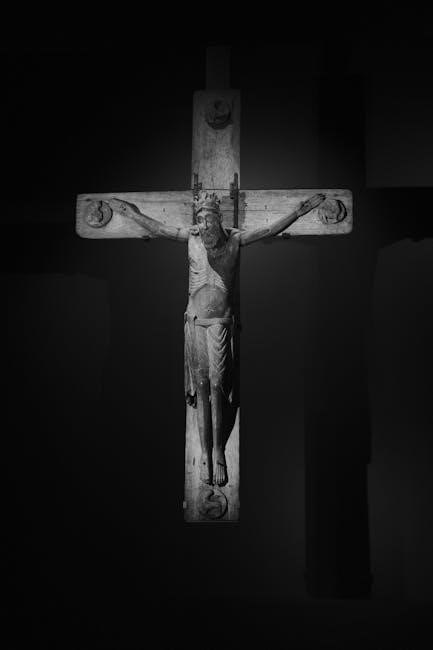
Historical PDF analyses suggest Simon of Cyrene was compelled to assist Jesus, highlighting the immense physical burden․ These scholarly PDF resources offer a poignant depiction of human compassion amidst the brutality of Roman justice, providing a deeper understanding of this pivotal moment in the Passion narrative․
The Crucifixion Itself: Methods and Suffering
The crucifixion of Jesus, a horrific form of Roman punishment, is meticulously examined in detailed PDF analyses․ Scholarly PDF resources outline the brutal methods employed, including the driving of nails through wrists and feet – though some historical PDF reports suggest hand placement – causing excruciating pain and physiological distress․ The position on the cross restricted breathing, leading to asphyxiation and intense muscular cramps․
Comprehensive PDF studies detail the prolonged suffering endured, often lasting for hours, as the body struggled against gravity and the mounting pain․ Dehydration, blood loss, and shock contributed to a gradual decline, ultimately leading to cardiac arrest․ The public nature of the crucifixion served as a stark deterrent, emphasizing Roman power․
Peer-reviewed PDF publications explore the medical aspects of crucifixion, detailing the physical trauma and the body’s response to such extreme torture․ These historical PDF analyses offer a grim, yet vital, understanding of the suffering Jesus endured, contextualized within the Roman legal and penal system․
The Burial of Jesus and the Empty Tomb
Scholarly PDF resources meticulously document the swift burial of Jesus, occurring before the Sabbath began, as detailed in the Gospels․ Joseph of Arimathea, a wealthy disciple, secured permission from Pilate to lay Jesus in his own new tomb, a rock-hewn cave․ This rapid burial aligns with Jewish customs and the impending Passover observance, as explored in historical PDF analyses․
The sealing of the tomb with a large stone and the placement of a Roman guard, as described in Matthew’s Gospel, are subjects of intense debate within academic PDF publications․ These detailed PDF reports analyze the motivations behind these security measures, considering potential concerns about disciples stealing the body․
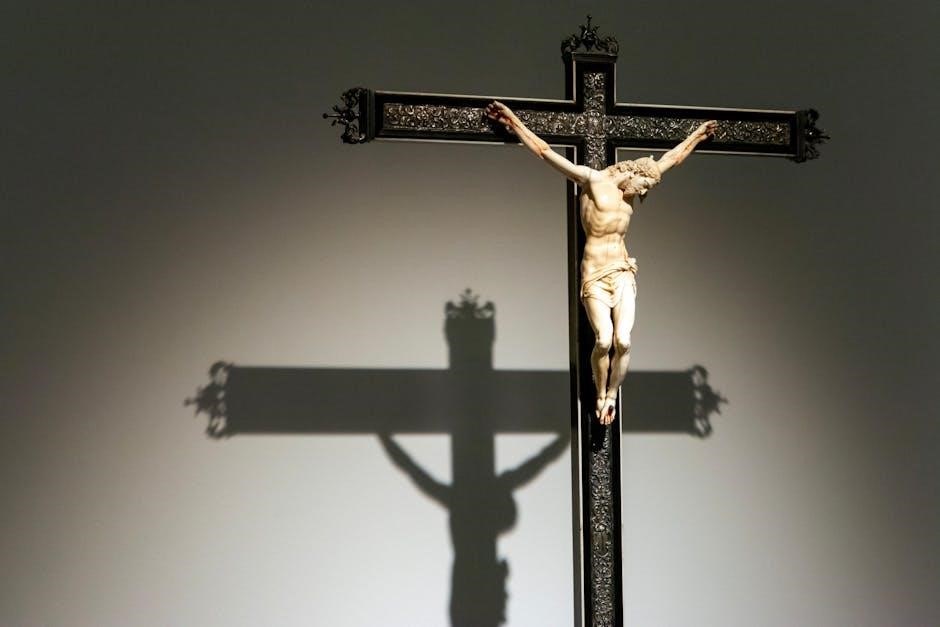
The discovery of the empty tomb on the Sunday morning following the crucifixion is central to the resurrection narrative․ Peer-reviewed PDF studies examine the various accounts of the tomb’s discovery, highlighting discrepancies and attempting to reconcile them․ The empty tomb, a cornerstone of Christian faith, continues to be a focal point of theological PDF research․
Resurrection and its Relation to Passover
Comprehensive PDF analyses explore the profound connection between Jesus’ resurrection and the Jewish festival of Passover․ Many scholars propose that Jesus’ resurrection occurred on the first day of the week, coinciding with the day after the Sabbath and potentially aligning with the offering of the Wave Sheaf, a ritual performed during Passover․ Detailed PDF studies delve into the symbolic significance of this timing․
The concept of Jesus as the “Lamb of God,” whose sacrifice parallels the Passover lamb, is a recurring theme in theological PDF resources․ This analogy suggests that Jesus’ death fulfilled the Old Testament sacrificial system, offering a new covenant through his blood․ Scholarly PDF articles examine the historical and theological implications of this connection․
Academic PDF publications debate whether the Last Supper was a traditional Seder meal, emphasizing the ritual elements present in the Gospel accounts․ The resurrection, viewed as a liberation from sin and death, mirrors the Passover’s commemoration of Israel’s liberation from slavery in Egypt, as detailed in numerous historical PDF reports․
PDF Resources & Scholarly Articles on the Topic
Extensive PDF collections are available from theological institutions and academic databases, offering in-depth analyses of the timeline of Jesus’ crucifixion and its relation to Passover․ These resources often present differing viewpoints on dating the events, examining the Synoptic Gospels and John’s Gospel independently․ Scholarly PDF articles frequently address the historical context of Roman crucifixion practices and Jewish Passover observances during the first century․
Digital PDF libraries host research papers exploring the astronomical possibilities surrounding the darkness described during the crucifixion, including investigations into potential solar eclipses or unusual atmospheric phenomena․ Peer-reviewed PDF studies also analyze the seismic evidence related to the earthquake mentioned in the biblical accounts․

Accessible PDF documents from Oxford University and other research centers detail NASA’s discoveries potentially corroborating biblical narratives․ These valuable PDF resources provide a comprehensive overview of the ongoing scholarly debate, offering a nuanced understanding of this pivotal event in Christian history and its connection to the Jewish Passover festival․